
Legendary filmmaker Steven Spielberg appeared at SXSW in Austin to express his concerns about the growing role of artificial intelligence in the creative industries. In an interview session at the 2026 event, Spielberg made it clear that while he supports technology in many areas, he is strongly opposed to AI replacing human creativity in filmmaking.
Spielberg draws the line at AI in his creative work.
At the debate, Spielberg revealed that he had never used AI in his films, receiving enthusiastic applause from the audience. The director emphasized that while artificial intelligence may be useful in certain fields, it should not replace people responsible for storytelling and artistic expression.
“I don’t support AI if it replaces creative individuals,” Spielberg said in the conversation.
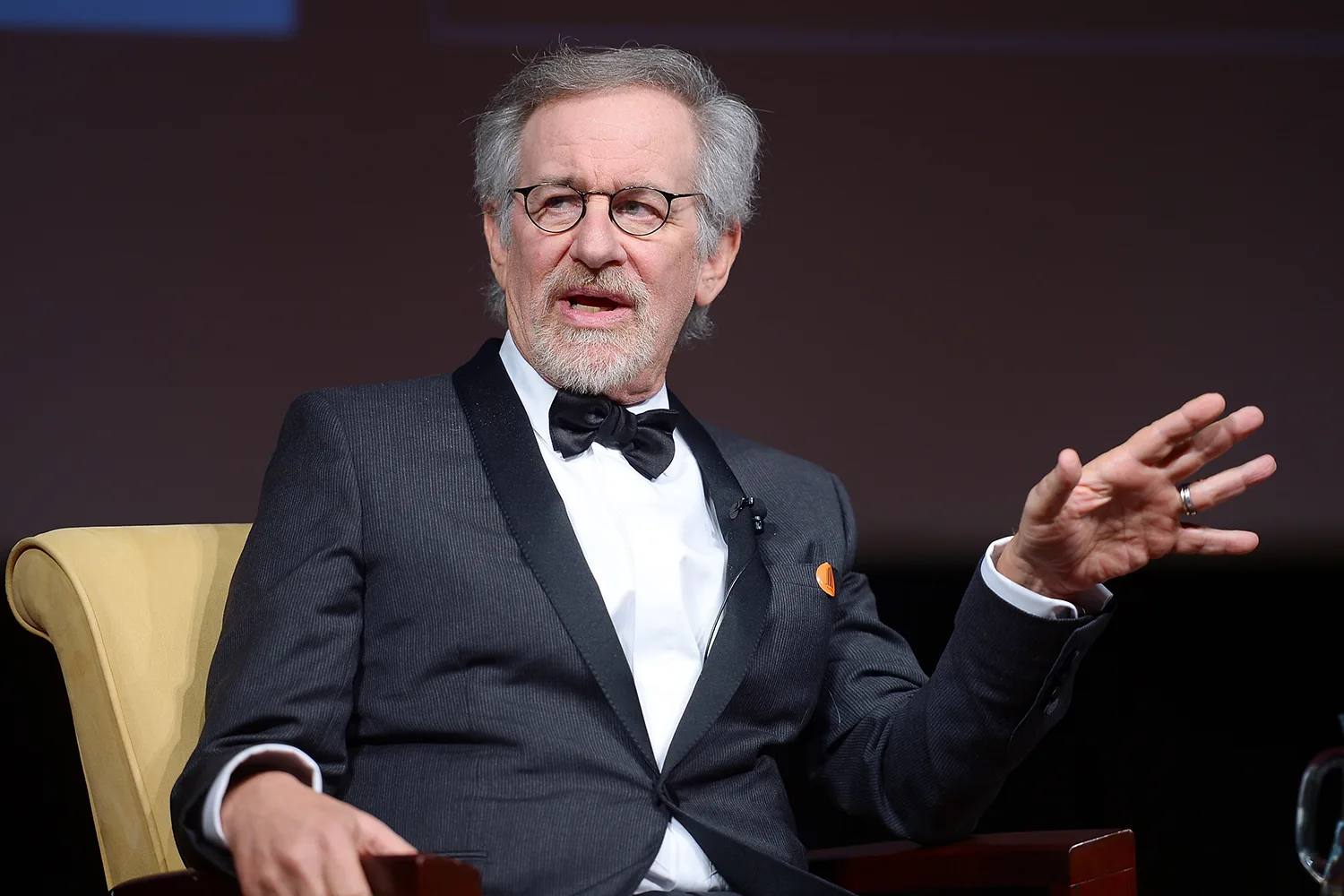
The filmmaker explained that his creative process, including in the television writing room, still relies entirely on human collaboration. According to Spielberg, there is no ‘empty chair with a laptop in front of it’ to represent an AI contributor. For him, story and character development remain fundamentally human activities.
Spielberg’s stance reflects broader concerns across Hollywood, where writers, directors and actors are increasingly discussing how AI could impact jobs and creative control in the entertainment industry.
Director famous for technological exploration
Despite his skepticism about AI replacing creative professionals, Spielberg is not opposed to the technology itself. Throughout his career, many of his films have explored future technologies and their potential consequences.
His films include classics such as Jaws, ET the Extra-Terrestrial, Close Encounters of the Third Kind, and Raiders of the Lost Ark. Spielberg has also examined the relationship between humans and advanced technologies in projects such as Minority Report, Ready Player One, and AI Artificial Intelligence.
These films often present technology as both a powerful tool and a potential threat, a theme that reflects Spielberg’s real-life views on artificial intelligence.
AI’s growing presence in the entertainment industry
Spielberg’s comments come at a time when AI tools are increasingly being introduced into filmmaking and television production environments. Tech startups are developing AI-based platforms designed to support script development, editing, and visual effects, often marketing them as tools that can reduce production costs.
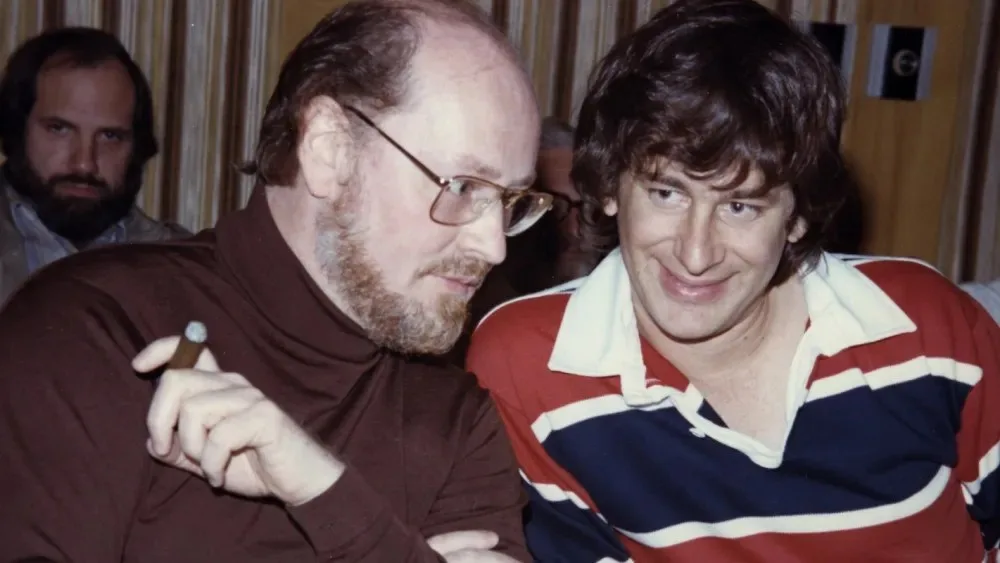
Major streaming platforms are also exploring ways that artificial intelligence can streamline content creation. Amazon has reportedly begun testing AI tools for film and TV production. Meanwhile, Netflix recently reportedly acquired an AI-centric film production company associated with Ben Affleck in a deal worth about $600 million.
These developments could change the way movies and shows are made, but they have also sparked an ongoing debate about whether AI will support creative professionals or eventually replace them.
The future of Hollywood AI
Spielberg’s comments highlight a key question facing the entertainment industry: how to integrate new technologies without compromising the human creativity that defines filmmaking.
For independent filmmakers working with limited resources, AI tools can provide opportunities to reduce production costs or speed up certain tasks. But many prominent creators argue that storytelling should be driven by human imagination, not automated systems.
As AI continues to advance and spread throughout the entertainment industry, discussions like the one at SXSW suggest that Hollywood’s biggest names are determined to enhance creativity rather than replace technology.