Microsoft is quietly preparing Windows 11 for a new class of ultra-fast gaming monitors, even if most gamers won’t see them anytime soon. According to a recent Windows Insider blog post, the new Release Preview builds 26100.8106 and 26200.8106 introduce support for monitors that report refresh rates higher than 1,000 Hz. This change effectively removes a previous limitation in the Windows display stack that prevented the operating system from properly recognizing panels with very high refresh rates.
With monitor manufacturers pushing refresh rates beyond current limits, Microsoft appears to be supporting Windows well into the future. Displays this fast are still rare, but software-based work suggests Microsoft is expecting hardware to arrive sooner rather than later.
Why does Windows suddenly support 1,000Hz monitors?
Updates are primarily intended to keep Windows in sync with faster display technologies. Gaming monitors have steadily evolved in recent years from 144Hz to 240Hz, 360Hz, 500Hz, and even 720Hz. Now manufacturers are experimenting with panels that can reach 1,000Hz refresh rates, sometimes at lower resolutions or using dual-mode designs.
Until now, Windows had an internal refresh rate cap that made it difficult for the OS to properly detect displays exceeding that threshold. The latest Insider build removes this limitation, allowing monitors to report refresh rates above 1kHz through the Windows graphics stack. Interestingly, Blur Busters said a Microsoft representative hinted that the limit could eventually be raised to 5,000Hz. Those numbers may sound extreme these days, but they highlight how aggressively display manufacturers are pushing refresh rate technology.
Are there 1,000Hz gaming monitors already on the market?
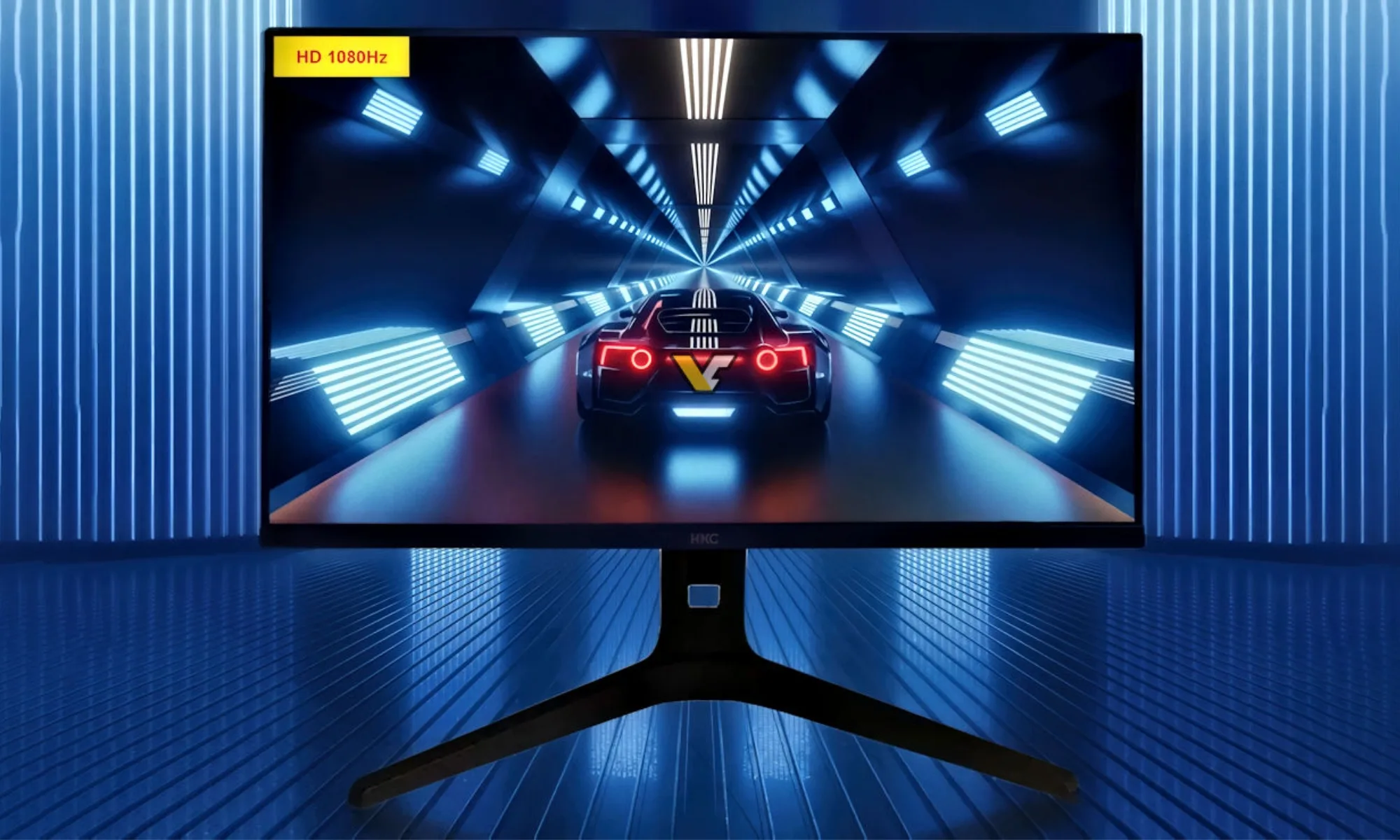
Although they’re far from mainstream, a few ultra-high refresh rate monitors are already starting to appear. Acer recently launched the Predator Meanwhile, HKC Antgamer MAX offers a 540Hz native refresh rate at 2K and up to 1,080Hz at 720p. Displays like these are primarily aimed at competitive gaming, where very high refresh rates can reduce motion blur and input lag when paired with powerful GPUs that can produce very high frame rates.
Now, by raising the refresh rate limit, Microsoft is essentially future-proofing Windows for the next generation of display technology. Even though most gamers won’t be seeing 1,000Hz monitors on their desks anytime soon, removing software limitations will ensure that operating systems won’t interfere with the hardware as display manufacturers continue to push refresh rates to new extremes.