Anyone looking for cheaper RAM in the near future may want to risk disappointment. A new market analysis from Counterpoint Research says there is ‘no scenario’ for a meaningful correction in memory prices in the second half of 2027, suggesting the current DRAM and NAND price surge could persist for years.
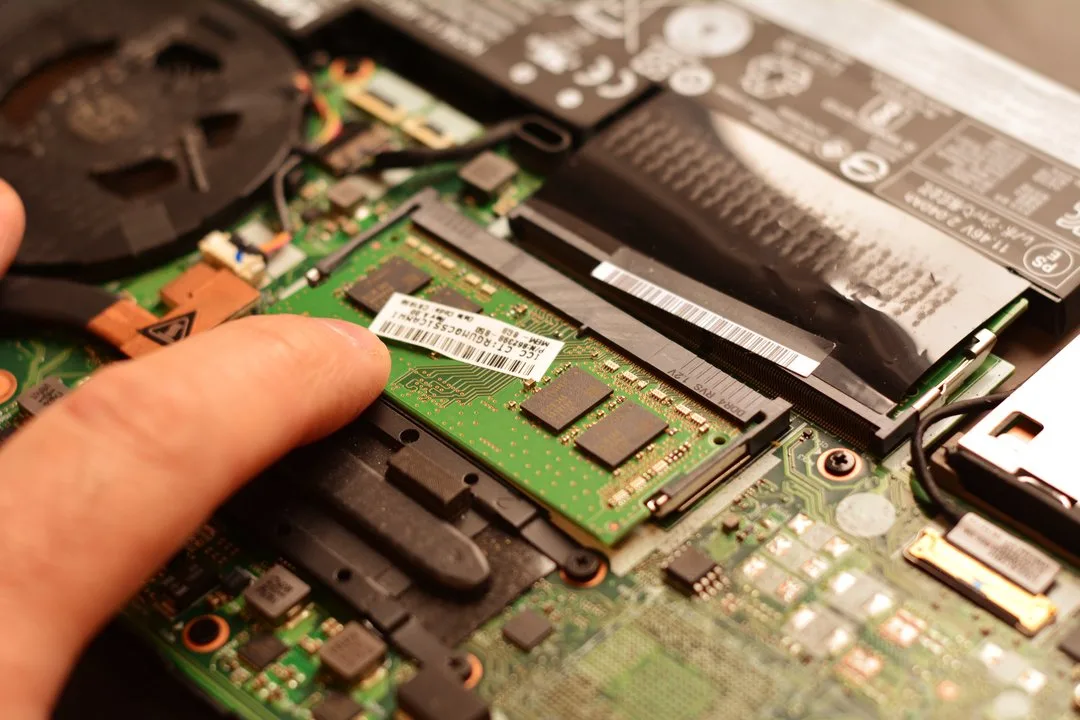
The warning comes amid what many analysts are calling a global memory crisis due to exploding demand for AI infrastructure. Data centers building large-scale AI systems require enormous amounts of memory, especially high-bandwidth memory (HBM). This consumes manufacturing capacity used for consumer-grade chips used in PCs, mobile phones, and SSDs.
Why have memory prices remained high for so long?
The core issue is simple. The problem is that memory demand is growing much faster than supply, primarily due to the rapid expansion of AI infrastructure. AI data centers require massive amounts of high-performance memory, and some estimates suggest they could consume around 70% of the world’s high-end DRAM by 2026.
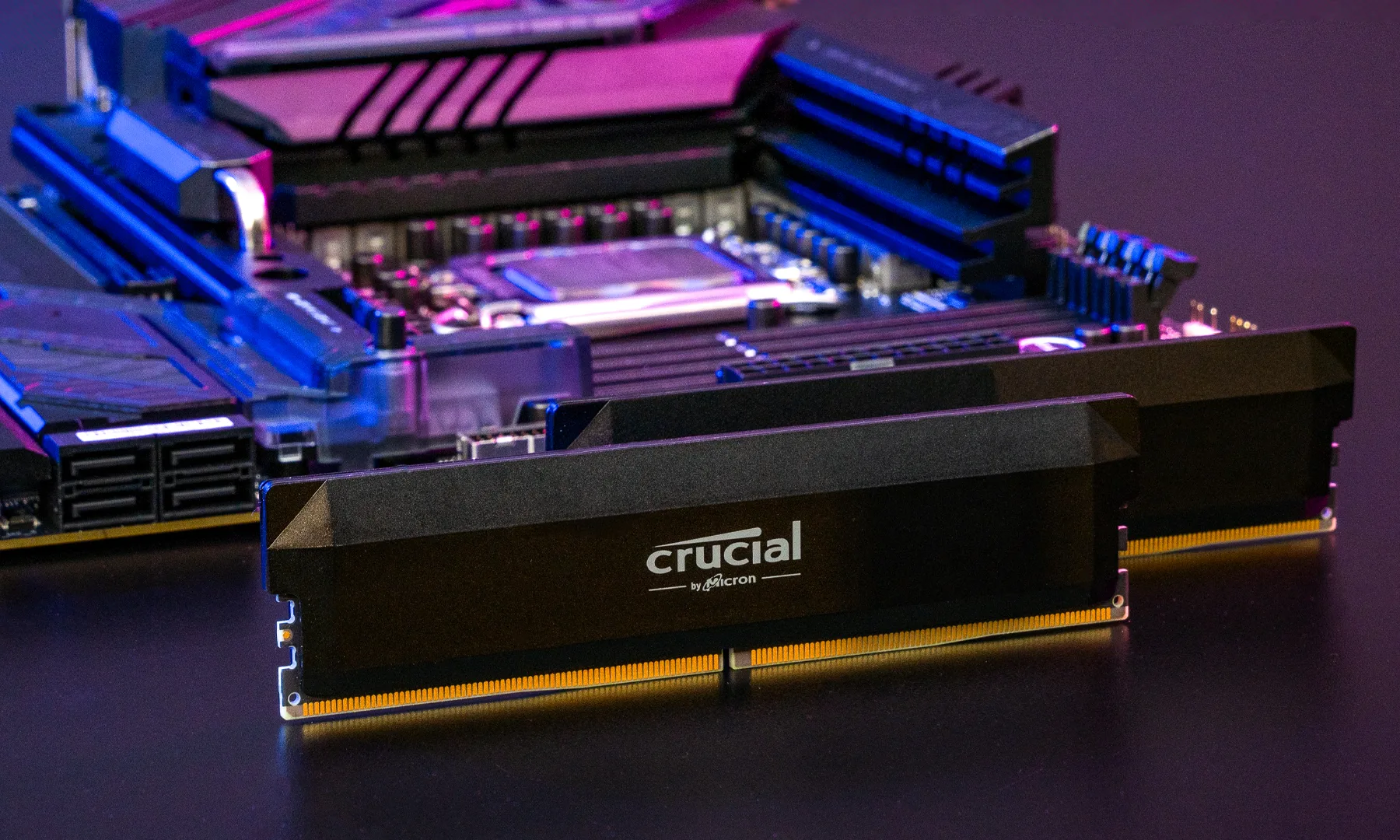
At the same time, manufacturers such as Samsung, SK Hynix, and Micron are prioritizing high-margin technologies such as high-bandwidth memory (HBM), which are essential for AI accelerators. These changes are shrinking the supply of traditional memory used in consumer electronics and causing DRAM prices to rise sharply, with leading analysts warning that volatility and rising prices could continue as supply struggles to keep up with demand.
What does this mean for PCs and smartphones?
For consumers, rising memory prices could have ripple effects throughout the technology industry. DRAM and NAND are essential components of PCs, smartphones, GPUs, and storage devices, so the higher the cost of memory, the more expensive the hardware can be.
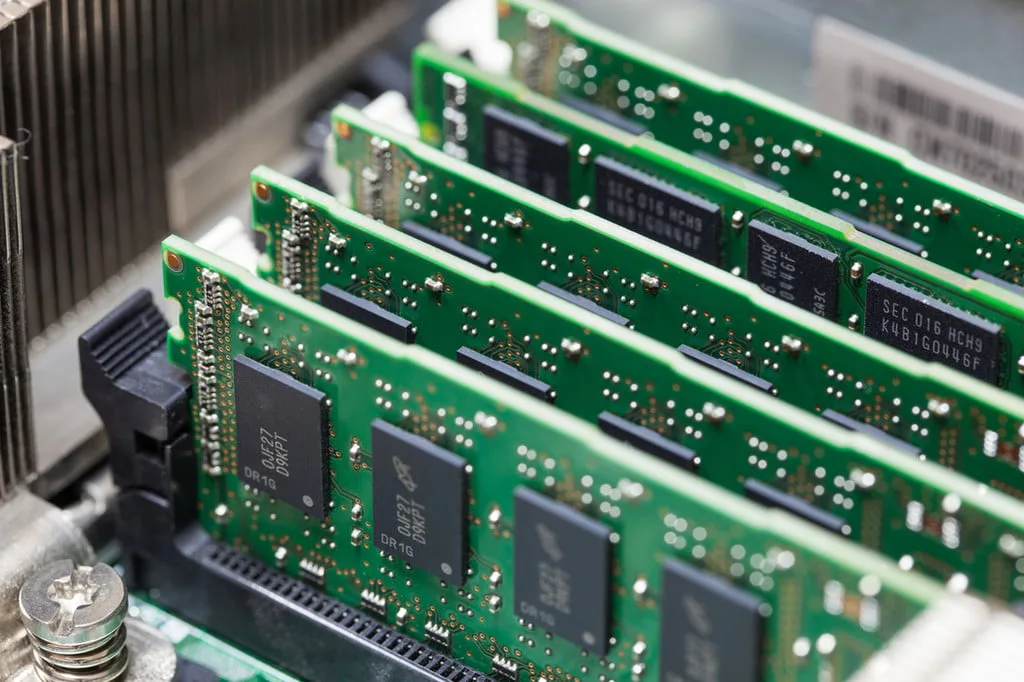
Analysts warn that continued price increases could lead to double-digit price increases for PCs and smartphones, forcing manufacturers to raise prices or adjust specifications to protect margins. If current forecasts hold, the industry could enter a longer AI-driven “memory supercycle.” This means that cheap RAM upgrades may be out of reach for quite some time.