We have entered the 5G era, the standard for modern mobile networking. Even if 5G isn’t available in your area, your smartphone, especially new ones, will likely support 5G connectivity.
5G wireless technology is reaching more people every year, but is it really that different from 4G/LTE connectivity? If you don’t have a 5G phone yet, should you consider buying one? Need to upgrade your wireless plan? So are there other 5G services? There may be so many questions that your mind is spinning, but if you want the latest technology, you need to think about it.
There’s a good chance you already have a 5G plan, as carriers tend to offer basic 5G service before offering faster 5G plans (even the cheapest phones now have 5G). Even the cheapest best cell phone plan deals offer 5G. If you’re not there yet, let’s talk about what the big differences are between 5G and 4G/LTE.
What is the biggest advantage of 5G?
While many people cite faster speeds as the most important advantage of 5G, it is not the only advantage it has over LTE. The situation is much more nuanced.
Even though 5G is now available in most of the United States, getting the best performance still depends on where you live and work. There are a variety of 5G frequencies in use, some of which overlap with 4G/LTE services, so you may see little to no speed improvement in some areas.
This is especially true in rural areas, where slower, lower-band 5G frequencies are used to provide greater coverage in sparsely populated areas. On the other hand, densely populated urban centers will use much faster mid-band and mmWave spectrum for 5G coverage, but will share it with more people.
But you might be asking yourself how important raw speed is for your phone. Most people don’t download full-length movies over a cellular connection, and streaming Netflix in 4K UHD typically requires only 15 to 25 Mbps of bandwidth, a speed easily achievable on 4G/LTE networks.
The good news is that faster download speeds aren’t the only performance benefit of 5G. There is another, much more important indicator that often goes unnoticed. That’s the waiting time.
Unless you’re a gamer, you probably haven’t given much thought to latency. However, latency has a much greater impact on mobile devices than transfer speed. After all, most of us spend a lot more time moving tiny bits of data around – surfing the web, chatting on messaging apps, checking social media – than streaming a movie. It may not seem like it, but every time you refresh your social media feed, connect to a new web page, or send or receive a new message, your smartphone needs to establish a new network connection. The time it takes to establish and tear down these connections causes latency.
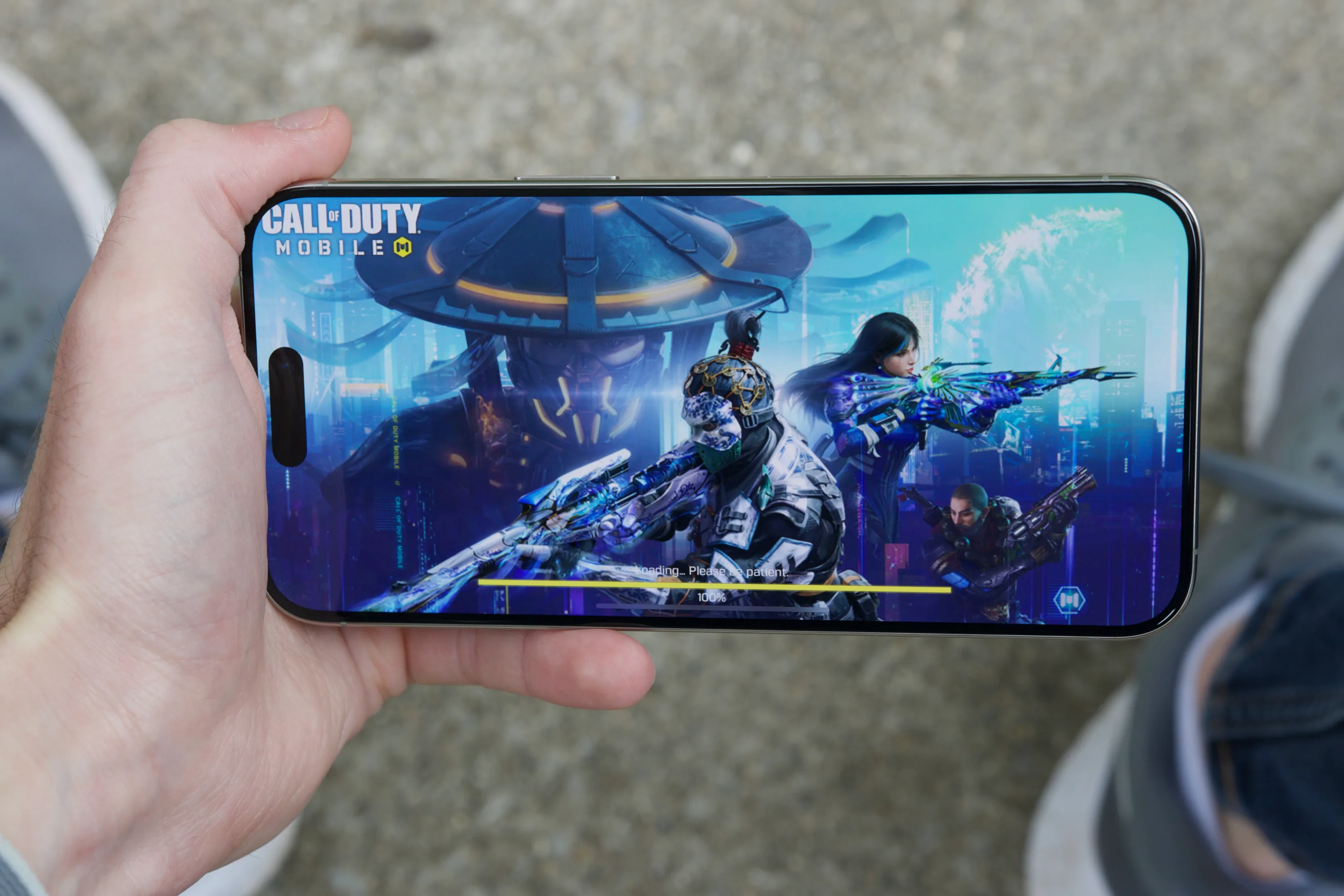
From the beginning, one of the design goals of 5G technology has been to reduce latency as much as possible. Latency, expressed in milliseconds, measures how long it takes the smallest amount of data to travel from one point to another, including the time required to process the data at each end.
Lower numbers are obviously better here, but the average 50-80ms latency for a 4G/LTE connection may not sound like much, but it can add up quickly when you’re exchanging dozens or even hundreds of small pieces of data rather than a single continuous stream. This is because there is additional overhead for each new request sent and response received in the kind of round-trip traffic required for activities, messaging, and gaming.
The average latency of a 5G connection is typically 10ms and can theoretically go down to 1ms, so everyday smartphone activities should be smoother and more responsive on a 5G connection, making it indistinguishable from a broadband Wi-Fi network.
Finally, the faster speeds offered by 5G extend beyond personal smartphones. Even the best 4G/LTE network will crumble under the pressure of thousands of phones competing for the same signal, resulting in slow connections, missed calls, and sometimes even “no service” signs.
But 5G technology can run at much higher frequencies that can enable deployment in dense places like stadiums, providing enough capacity to allow more devices to stay online and achieve reasonable speeds, even if they’re sharing a connection with 70,000 other people in the Superdome.
Are there any downsides to 5G?
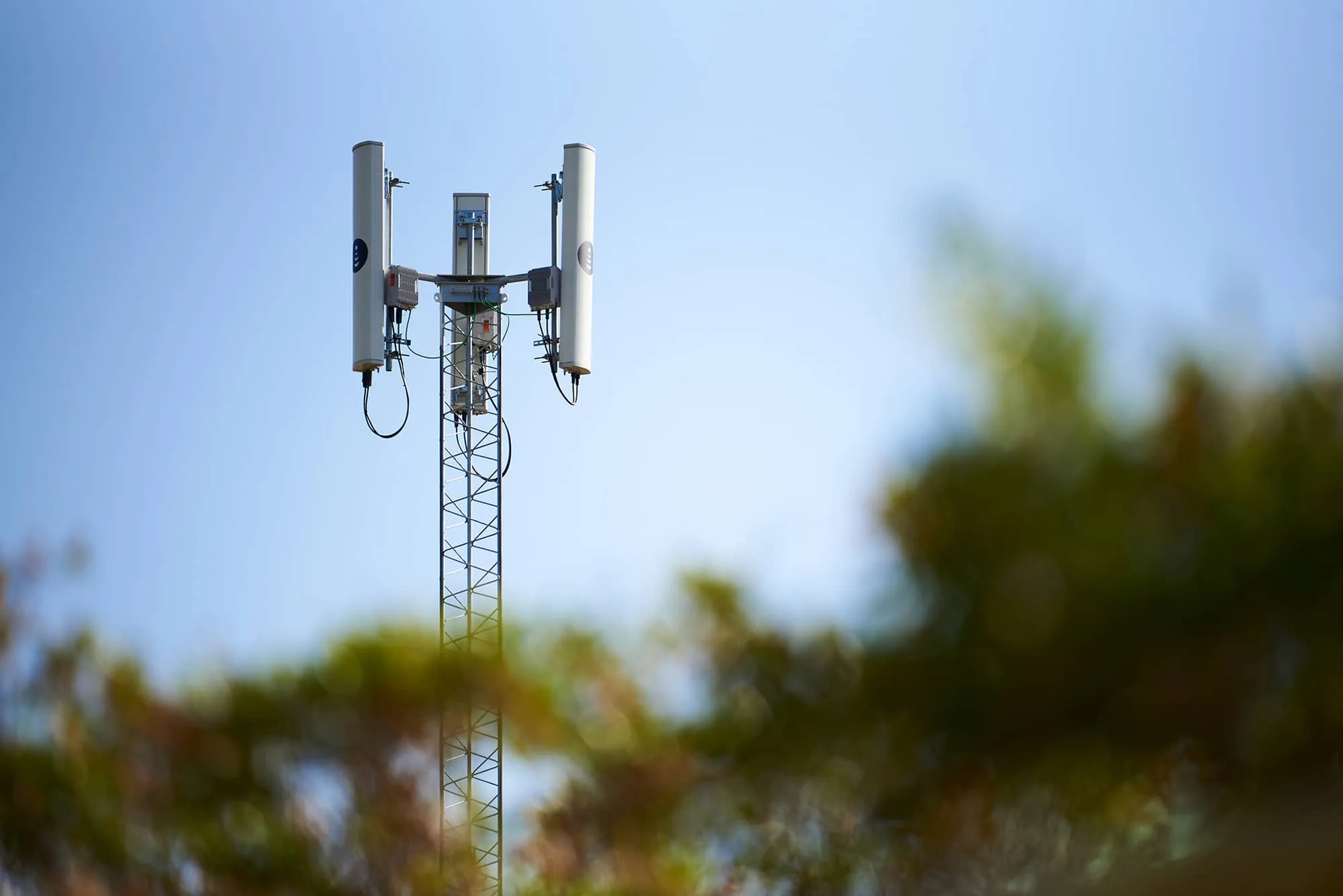
The move to 5G is generally a positive move, considering all the performance improvements it brings with faster speeds and more stable connections. However, this is not the case in all situations.
Aside from the cost of upgrading to a 5G-capable phone, you’ll also need to live in a place with good 5G coverage from your preferred carrier, and make sure you have a plan to take advantage of all it has to offer.
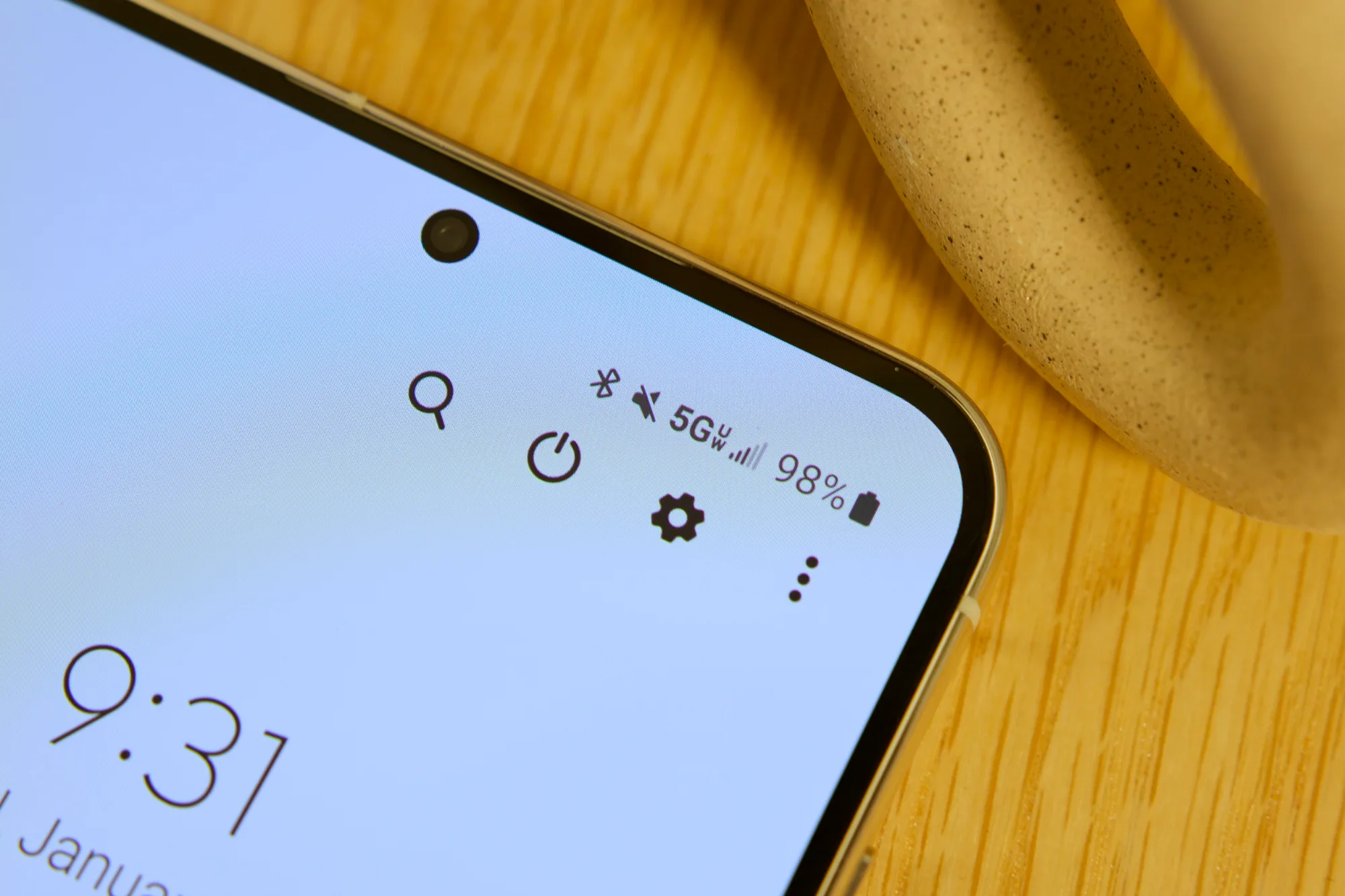
All three U.S. carriers offer two tiers of 5G. That is, a basic network that covers almost the whole country, and an ‘enhanced’ network that provides faster speeds and higher capacity to smaller areas. Each carrier has a different name for its faster 5G service. T-Mobile uses 5G Ultra Capacity, Verizon uses 5G Ultra Wideband, and AT&T uses 5G Plus (5G+).
When it comes to coverage, T-Mobile is at the top of the list, with its 5G UC network now available to about 90% of the U.S. population. Verizon isn’t far behind in its 5G UW network expansion. The last official figure it provided was around 85%. AT&T’s 5G Plus has long lagged the other two, but has recently expanded rapidly, reaching about 295 million users. Catch? Additional charges apply for the fastest speeds.
If you live in an area covered by your carrier’s enhanced 5G network, you will almost certainly benefit from making the switch. However, if you are abroad, the speeds provided by native 5G networks may not be better than 4G/LTE. In some cases, things can get even worse.
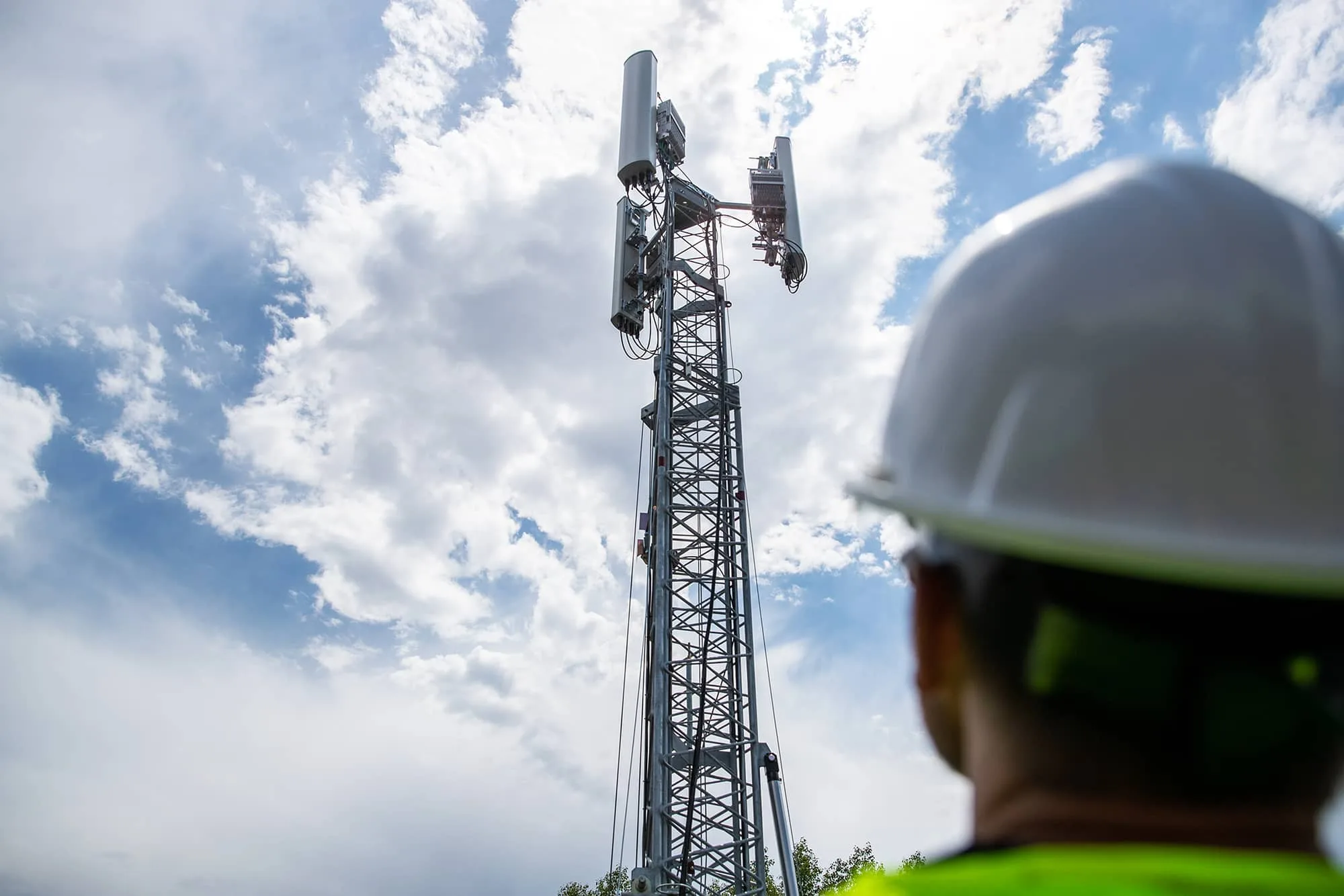
That’s because low-band 5G, used for primary coverage in rural areas, not only shares the same frequencies as 4G/LTE towers, but also has to cede digital rights-of-way to these older technologies. This means that if there is a lot of 4G/LTE traffic, your 5G connection will suffer. As a new technology, 5G had to learn to share using a feature called Dynamic Spectrum Sharing (DSS), which 4G/LTE signals never learned.
To make matters worse, 5G also consumes more battery life. Accepting an additional performance hit is a reasonable trade-off when using a good 5G network, but it makes no sense when a more power-efficient 4G/LTE connection can deliver the same performance.
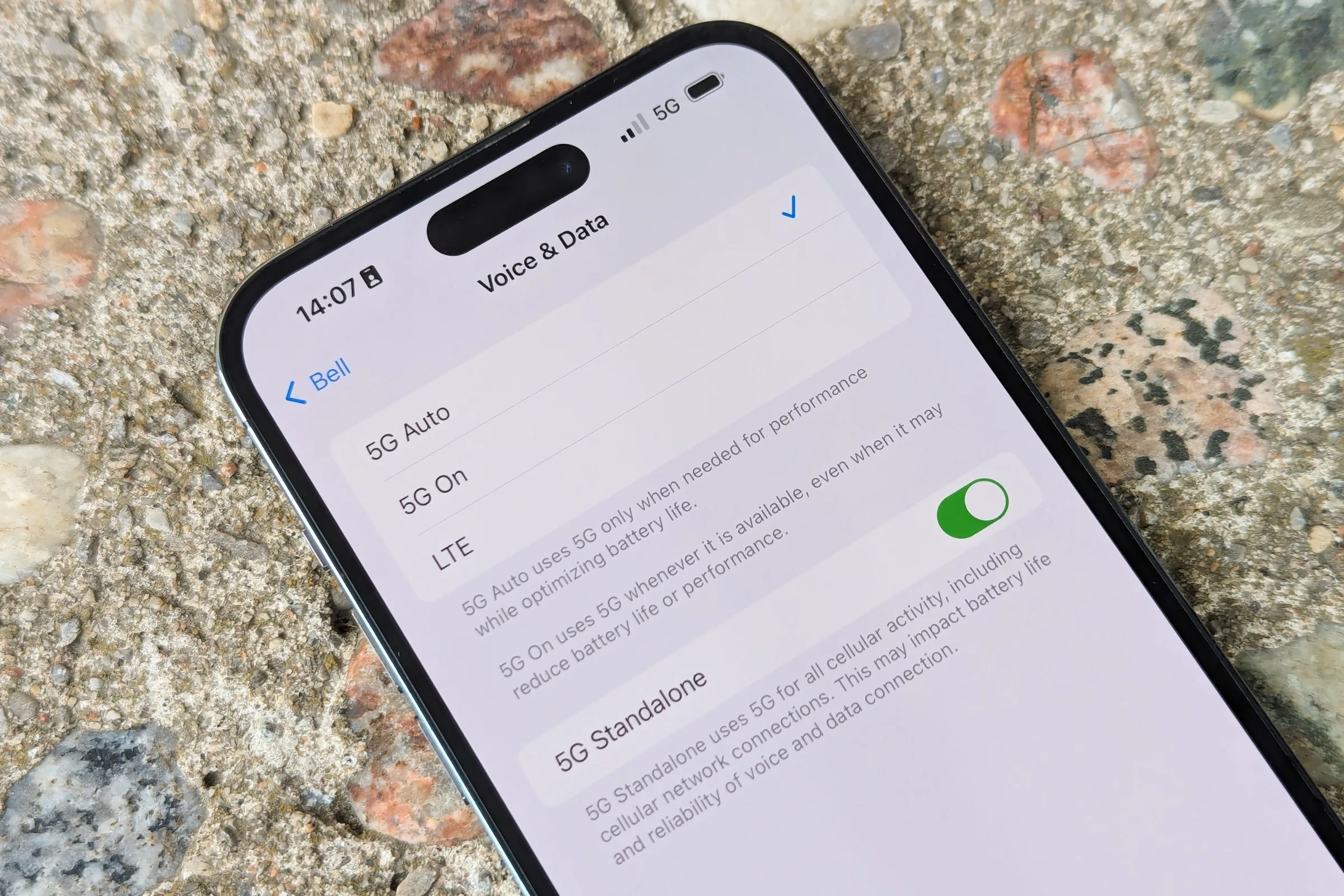
The good news is that you don’t have to use 5G, even if your carrier and phone both support it. Most phones allow you to turn it off, and higher-end phones like the Samsung Galaxy S25 and Apple iPhone 17 offer an automatic mode that uses the power-hungry 5G radio only when needed, before falling back on a 4G/LTE connection whenever 5G doesn’t offer any benefit.
Lastly, while it’s entirely true that using 5G will drain more battery life than 4G/LTE, don’t be scared by old reports of insatiable power demands. Many early 5G smartphones had wireless capabilities that weren’t as efficient as those used in newer devices. Additionally, carriers initially had to maintain two network connections (5G for data and 4G/LTE for voice calls and SMS/MMS messages), thus building non-standalone 5G (5G NSA) networks, which required more power.
Standalone 5G (5G SA) networks are now available, which saves power by forcing everything to run over 5G, but some smartphones won’t use this feature unless you enable it.
Will LTE still be available in 2025?
It may be hard to find an LTE-only plan these days, but 4G/LTE networks will be with us for the foreseeable future. The legacy 3G network survived until 2022 before carriers finally shut it down.
5G smartphones are readily available today, but that wasn’t the case three or four years ago, and not everyone upgrades to a new phone every year. There are no concrete plans to phase out 4G/LTE, and most analysts believe that won’t happen until at least 2030, when the first 6G networks and devices begin to appear.
However, according to a recent leak from T-Mobile (via The Mobile Report), the company will begin redirecting existing LTE connections to 5G over the next few years and then phase it out in 2035.
Still have to choose between LTE and 5G?
The choice between LTE and 5G is likely to depend more on the phone you’re using than anything else. If you buy a new smartphone today, there’s a good chance it will support 5G. Many feature phones still only use 4G/LTE, but that’s because there’s little benefit to adding expensive 5G hardware to a device that’s primarily used for calls.
Likewise, while things vary from country to country, it’s currently difficult to find a plan in the US that doesn’t offer at least basic 5G connectivity. Discounted plans from mobile virtual network operators (MVNOs) are still 5G plans, although they are often limited to slower, low-band 5G networks.
Even if you can find an LTE plan, it’s unlikely to be cheaper than a 5G plan on the market. Even if you’re using a non-5G phone, are out of 5G coverage, or choose to turn off 5G completely, you can still use 4G/LTE.