As tensions continue to rise in the Middle East, concerns are growing about disruptions to one of the world’s most critical energy transportation routes, the Strait of Hormuz. Any disruption could significantly affect major oil-importing countries such as India, as the Strait of Hormuz is critical to global energy trade. Almost 20 million barrels of oil pass through the strait every day, or about a fifth of world consumption. The waterway also carries about 19% of global liquefied natural gas (LNG) shipments, making it a crucial corridor for energy-importing economies.A recent report by Goldman Sachs has pointed out the first signs of tension in the region. The report warned that tanker traffic through the Strait of Hormuz has already begun to show signs of disruption, with shipping companies, oil producers and insurers taking a cautious approach following reports of damaged vessels in nearby waters.
According to the company, financial markets have already begun to take geopolitical risk into account. Oil prices currently carry an estimated risk premium of $18 per barrel, reflecting the potential impact on the market if energy flows through the Strait of Hormuz were disrupted for approximately a month.
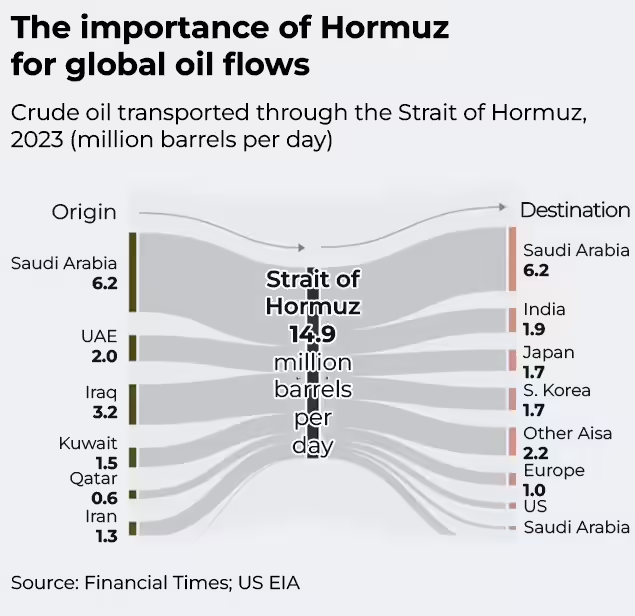
Even if oil facilities are not directly damaged, a closure of the sea route could expose a significant part of the world’s supply. The report estimates that in the event of a complete shutdown, around 16 million barrels per day of oil flows could be affected, despite the availability of some pipeline routes designed to avoid the strait.And the risks are not limited to crude oil shipments, as nearly 80 million tons of LNG exported annually, much of it from Qatar, pass through the passage. Any prolonged disruption could restrict global gas supplies and potentially send European gas benchmark prices back to levels seen during the 2022 energy crisis.
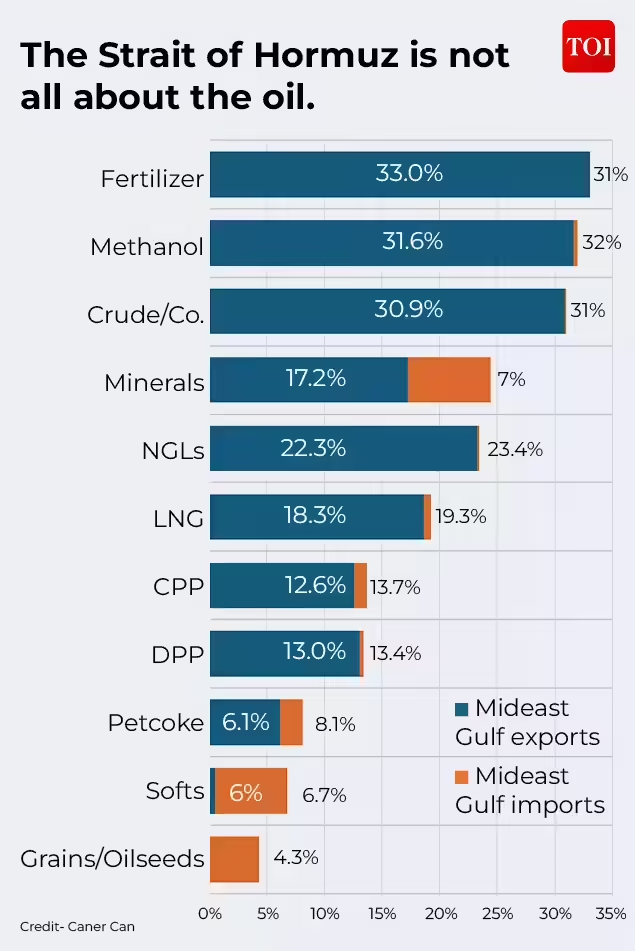
Asian economies are among the most exposed to such shocks. Major importers such as China, India, Japan and South Korea rely heavily on oil and LNG shipments transiting the strategic corridor.While global oil inventories and spare production capacity could help cushion short-term shocks, the report warned that sustained disruption to Gulf shipping lanes could trigger strong volatility in global energy markets and drive up prices for oil, gas and refined fuel products.Market participants and governments are closely watching oil tanker traffic in the Strait of Hormuz, along with diplomatic and military developments involving the United States, Iran and Gulf nations, to assess whether the current disruptions remain temporary or develop into a broader energy supply shock.