A $1,000 Xbox would have sounded completely absurd not too long ago. But Microsoft’s next-generation system, called Project Helix, may be heading into much more expensive territory. According to the highlighted analysis Moore’s Law is deadEarly estimates suggested the console would cost between $999 and $1,200, largely due to the powerful hardware it includes. At first glance, the price seems exorbitant. But if performance rumors hold true, the value equation may look very different.
If hardware rumors continue, this could be a beast
As for performance, reports say Project Helix could deliver 6x better rasterization performance and up to 20x better ray tracing performance than the Xbox Series If these numbers hold up and are still a big “if”, Microsoft will essentially be releasing one of the most powerful consoles ever made. This kind of leap could also help the system surpass the traditional console limit of 4K at 60FPS, with many games targeting 4K at 120FPS or higher.

In other words, Project Helix doesn’t just give you more performance. It’s about redefining what Xbox is. Microsoft has hinted that the system will support both Xbox and PC games, effectively blending the console and Windows ecosystems into one platform. This means players can access games from multiple stores while enjoying the plug-and-play simplicity of a living room console. In fact, offering high-end gaming performance for around $1,000 makes Project Helix feel like a surprisingly good-value PC alternative rather than an expensive console.
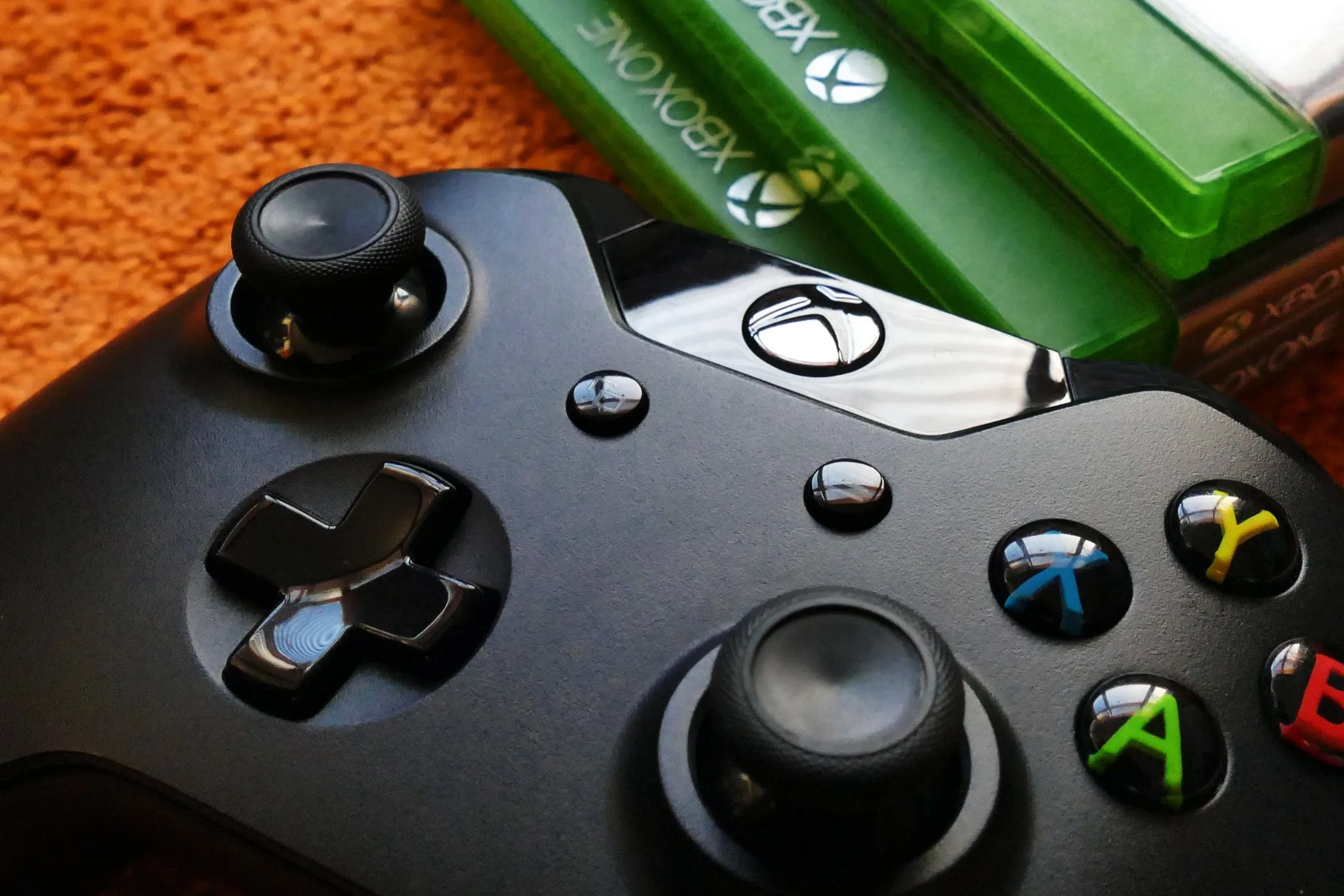
Another thing worth remembering is that console prices are always tied to the prices of similar gaming PCs. Historically, consoles have tended to punch well above their weight in terms of performance per dollar. When the $399 Xbox 360 launched in 2005, building a gaming PC with similar performance often cost around $1,000 or more. This pattern was repeated in 2020, with PC hardware typically requiring $1,200 or more to match the $499 Xbox Series X. So Project Helix won’t break tradition if it ends up costing around $1,000. If anything, it may reflect how expensive high-end gaming hardware has become.

Of course, a $1,000 console only makes sense if Microsoft nails the experience. Raw performance alone won’t cut it, and Xbox will need to deliver stronger first-party games and rebuild some of the cultural momentum the brand has lost in recent years. Currently, Project Helix mostly lives in the promised land of leaks, speculation, and very ambitious projects. But if Microsoft actually delivers a powerful and flexible gaming machine that sits comfortably between a console and a gaming PC, the $1,000 price tag might suddenly seem a lot less outrageous.