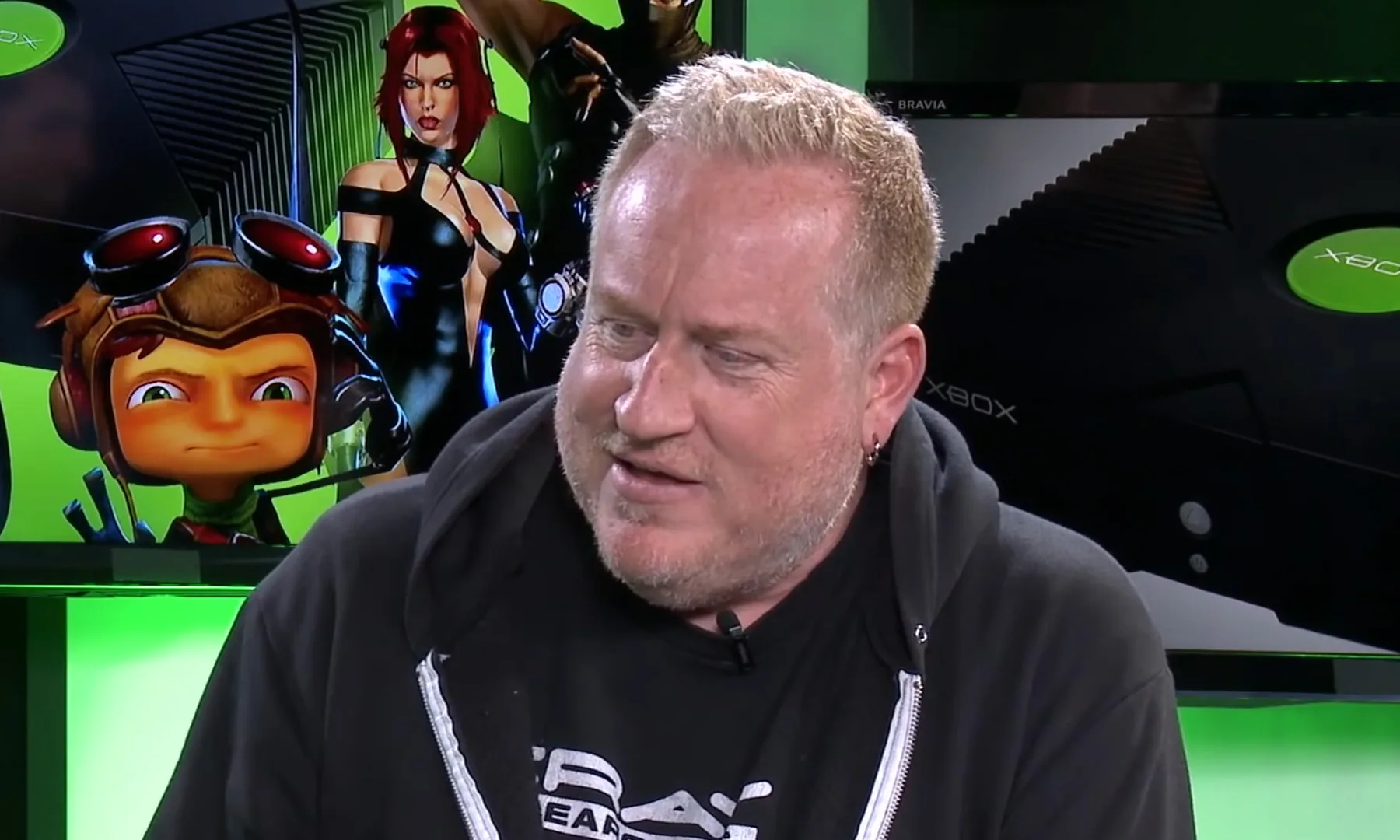
Dramatic predictions about Xbox’s future are making the rounds online, claiming that the brand could slowly fade away following recent leadership changes. This comment came from Seamus Blackley, often referred to as the father of the original Xbox, in an interview with GamesBeat. He suggested that new leadership could act as a “palliative care doctor” leading the brand into a quieter sunset.
And that’s not the only grim view currently being circulated. Wedbush Securities analyst Michael Pachter recently argued that the next-gen Xbox consoles are already dead, especially after price hikes and a strategy of prioritizing subscriptions over hardware, claiming that Microsoft “embraced Game Pass and blew it.”
To be fair to the skeptics, the concerns don’t just appear out of nowhere. According to Microsoft’s second quarter 2026 results, Xbox hardware revenue plummeted 32% year-over-year, while gaming revenue fell 9% overall. Add in Phil Spencer’s retirement, Sarah Bond’s unexpected resignation, and a strategy to bring Xbox exclusives to competing consoles, and it’s easier to see why this tale of doom and gloom is gaining traction.
But when you look at what the new leadership is actually saying, the situation feels less like a closure and more like a major course correction.
Course correction, not a quiet sunset
The previous “every screen is an Xbox” strategy focused on Game Pass and cloud gaming rather than hardware. Although ambitious, it distanced the brand from its core console audience and contributed to recent hardware struggles. The new leadership appears determined to fix this problem.
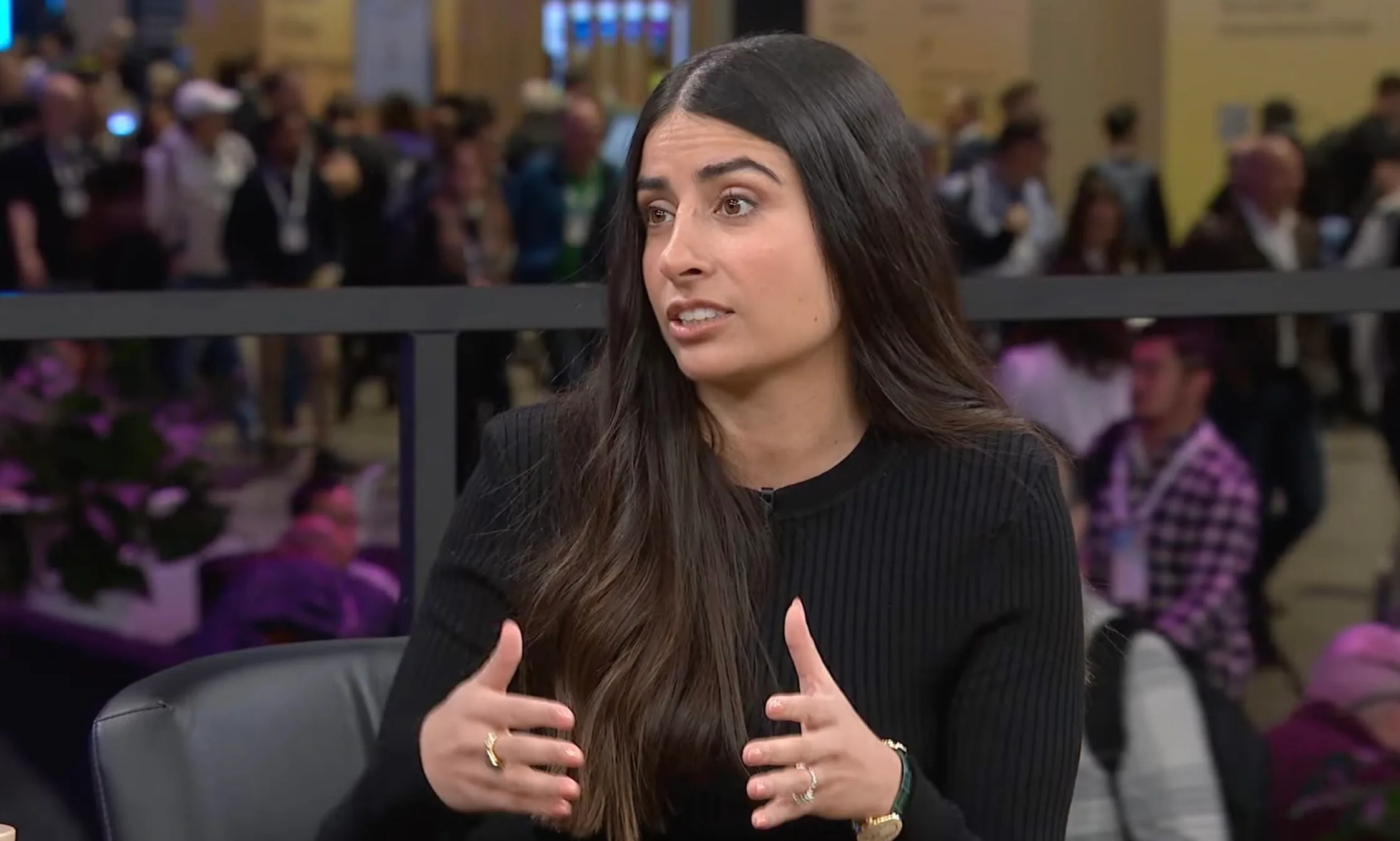
Microsoft recently appointed Asha Sharma, a former Instacart and Meta executive with a strong AI background, as CEO of Microsoft Gaming. While some are concerned that this signals a shift towards AI-based content, Sharma’s initial message suggests the opposite. She publicly emphasized her renewed commitment to key players, saying she “can’t wait to get back to Xbox.” “I want to go back to Xbox, and it starts with the console, and it starts with the hardware.” She also addressed AI issues directly, promising that the company would not pursue short-term efficiencies or flood the ecosystem with what she called “soulless AI slop.”
It also makes little business sense to quietly shut down Xbox. Microsoft has a large portfolio of first-party studios, including Bethesda and Activision Blizzard, representing tens of billions of dollars in investments. Game Pass continues to remain a key pillar of recurring revenue, and Chief Content Officer Matt Booty reaffirmed the company’s commitment to first-party development. Dedicated hardware and a loyal player base still support these investments.
The idea that Xbox is coming to an end makes for catchy headlines, but the evidence points elsewhere. Xbox isn’t going away. All you have to do is put the brakes on strategies that aren’t working and try to win back your core audience. Rather, over the next few years, Microsoft will likely work to redefine its existing hardware rather than quietly retreating from it.