Seamus Blackley, one of the original designers of the Xbox brand, has expressed serious concerns about the future of gaming on Microsoft’s console following major leadership changes in the gaming division. In a recent interview with GamesBeat, Blackley warned that the Xbox brand could be gradually phased out as the company prioritizes artificial intelligence-based initiatives over traditional games. His comments sparked debate across the gaming industry about Microsoft’s strategic direction and the long-term viability of its hardware business.
Microsoft recently appointed former CoreAI division executive Asha Sharma as the new CEO of Microsoft Gaming, succeeding Phil Spencer following his retirement. The change also coincides with the departure of Xbox president Sarah Bond, marking one of the most substantial leadership transitions at Microsoft Gaming in years. Sharma’s AI background and lack of traditional gaming leadership pedigree have sparked speculation about a shift in the company’s priorities.
A sobering perspective from an Xbox co-founder
Blackley, who played a key role in launching the original Xbox in the early 2000s, offers a sobering take on these developments. He suggested that Microsoft is quietly “disrupting” its Xbox business, not through dramatic announcements but through a strategic realignment that positions AI at the core of its future. “Like many companies that are not in the core AI business, Xbox is going into the sunset,” said Blackley, likening Sharma’s role to “a palliative care doctor gently pushing Xbox into the night.”
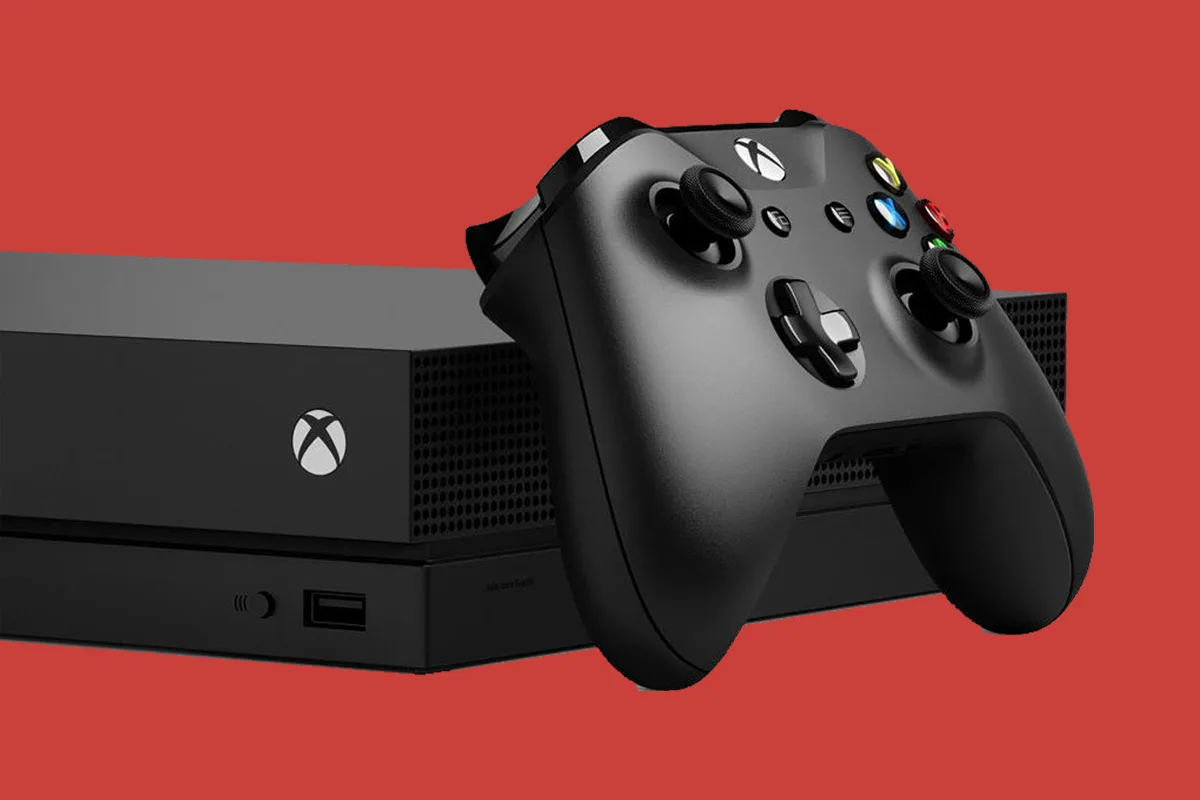
Blackley’s concerns center on his belief that Microsoft’s massive investment in generative AI has changed the way the company views all of its business segments, including gaming. In his view, executives are increasingly seeing AI as the solution to all problems, including those that have historically relied on human creativity and gameplay innovation. He argues that this philosophical shift could undermine the core identity and culture that helped make Xbox one of the most influential console brands in gaming history.
Despite Blackley’s criticism, Microsoft publicly reiterated its commitment to the game. In his first internal memo as CEO, Sharma pledged to focus on high-quality gaming experiences, avoid overreliance on superficial AI features, and keep creative authenticity at the forefront. She also promoted Matt Booty to chief content officer to strengthen its content strategy and expressed enthusiasm for console and multi-platform gaming in the future.
Why this represents a potential inflection point
Blackley’s warning is important because it comes from someone who helped create the Xbox in the first place. His views reflect a deeper tension in the gaming industry as tech giants like Microsoft balance traditional content creation with emerging AI technologies. Gamers, developers, and industry observers alike are watching to see whether future Xbox strategy will focus more on cloud gaming, AI-assisted development, and a cross-platform ecosystem at the expense of dedicated hardware and exclusive titles.

For core Xbox fans, these changes raise questions about whether console gaming will continue to be a priority or whether it will be absorbed into a broader AI-driven entertainment strategy. Blackley’s grim prediction highlights how C-suite leadership choices can ripple through development pipelines, studio roadmaps and consumer expectations.
Next steps for Xbox and its fans
Going forward, Microsoft’s next move will be closely watched by the gaming community. Companies must balance their ambitions in AI with console gamers’ continued passion for exclusive titles, hardware innovations, and creative gaming experiences. Sharma’s promise to keep the game “human-made” and his engagement with the wider player base aims to reassure fans. But only time will tell whether that promise translates into concrete products and strategies that preserve Xbox’s legacy.
Microsoft’s upcoming announcements about its hardware roadmap, studio investments, and how it will deploy AI within games will determine whether Blackley’s alarmist vision is justified or whether Xbox finds a new path forward in an evolving industry landscape.