Typical price range for bulletproof vests
Ensuring personal safety is a top priority for many people. ballistic vest It is a key tool in achieving this and provides important protection. However, navigating the market to find the right vest can be complicated, especially when it comes to cost.
We know that investing in body armor is an important decision. You need to understand what you need and what it will cost you. Bulletproof vest prices can vary greatly.
In this bulletproof vest price guide, we break down the factors that affect the cost of these essential items. We’ll cover everything from different levels of protection and materials to the nuances of soft and hard armor. We will also explore the price differences between overt and concealable designs. Our goal is to provide you with the knowledge to make informed, confident choices about your safety needs.
When considering purchasing a bulletproof vest, one of the first questions that comes to mind is, “What is the average price range for a bulletproof vest?” As we will see, the answer is very broad. The initial cost of body armor can range from $150 to over $3,000, with good quality options typically costing between $300 and $1,000. This broad spectrum reflects the variety of types, levels of protection, and features available on the market.
Entry-level vests that provide basic handgun protection (e.g. NIJ Level II or IIIA) can be found at the lower end of this range. It is generally designed for general civilian use or professionals in less extreme threat environments. For those looking for a budget-friendly option that still meets safety standards, it’s definitely possible to find reliable protection without breaking the bank. For example, some Level IIIA vests can be found on sale for as low as $199, making them a great value.
Mid-range options typically offer increased features, lighter materials, or a balance of protection and comfort. Premium or high-end body armor, on the other hand, represents the pinnacle of ballistic technology. These may include advanced lightweight materials, superior multi-strike capabilities, ergonomic design for extended wear, and a higher level of protection against rifle threats. These vests often incorporate cutting-edge materials and manufacturing processes, pushing the cost into the upper tiers of the price range.
Significant variation in price comes from a combination of several factors, including the type of armor (soft vs. hard), materials used, National Institute of Justice (NIJ) level of protection, and the design and purpose of the vest. Understanding these factors is key to identifying why one vest costs significantly more than another and finding the right balance between initial cost and long-term value.
Key Factors That Determine Ballistic Vest Price
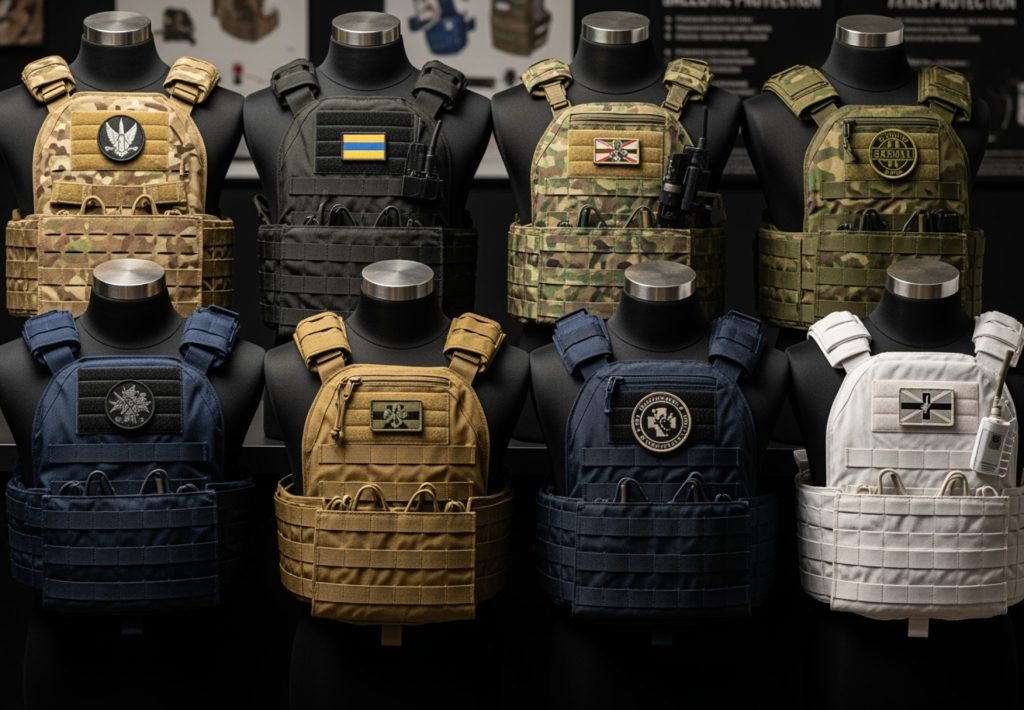
The price of a bulletproof vest is not arbitrary. This is a direct reflection of the technology, materials and engineering used in construction. Several key factors affect the final cost, each playing a significant role in determining the vest’s protective capabilities and overall value.
How NIJ Protection Levels Affect Costs
One of the most important factors that affect the price of a ballistic vest is the level of National Institute of Justice (NIJ) protection. NIJ sets standards for body armor used by U.S. law enforcement agencies and classifies body armor according to the types of ballistic threats it can withstand. As the level of protection increases, the materials and structures become more complex and the price increases.
For a comprehensive understanding of these grades, we recommend consulting the NIJ Levels Guide. In general, NIJ classifies body armor into several levels:
- NIJ Level IIA & II: This level provides protection against low velocity handgun rounds. Vests at this level are typically soft armor and the cheapest, priced between $250 and $600.
- NIJ Level IIIA: This is a typical level of protection for soft body armor against most handgun rounds, including .44 Magnum. Level IIIA vests strike a balance between protection and concealment and often cost between $300 and $800. You can explore a variety of NIJ IIIA bulletproof vests to see examples of the features this level offers.
- NIJ Level III: Moving on to rifle threat protection, Level III typically includes hard armor plating. This plate is designed to stop common rifle rounds such as the 7.62x51mm NATO (.308 Winchester). The cost of a Level III system, including plates and carriers, ranges from $300 to $900 per plate.
- NIJ Level III+ (Special Threat): Although not an official NIJ designation, many manufacturers offer “III+” plates that protect against specific and common rifle threats not covered by standard Level III, such as the M855 or M193. Prices often range from $400 to $1,000.
- NIJ Level IV: This is the highest level of protection designed to stop armor-piercing rifle bullets. Level IV plates are typically made of ceramic and are the heaviest and most expensive, often costing $500 to $1,500 or more per plate.
The price jump from pistol-grade soft armor to rifle-grade hard armor is significant because the materials and construction needed to defeat higher-velocity threats are very different. Understanding what NIJ body armor levels mean is essential to making informed decisions consistent with your specific threat assessment.
What Matters: How Construction Affects Ballistic Vest Prices
The materials used to make ballistic vests are a major driver of cost. Different materials offer different levels of protection, weight, and durability, all of which affect the final price tag.
Soft Armor Materials:
- Kevlar: Kevlar, a well-known aramid fiber, has been the primary material for soft body armor for decades. It is known for its high tensile strength and excellent ability to absorb shock. Vests primarily made of Kevlar include: $150 to $800Depends on NIJ level and design.
- UHMWPE (Ultra High Molecular Weight Polyethylene): Brands like Dyneema and Spectra use UHMWPE, which is incredibly strong, lightweight, and offers excellent ballistic performance. UHMWPE soft armor for lower NIJ levels (IIA, II, IIIA) $100 and $300. at the same time, Higher-end plates made from this material can be significantly more expensive due to the advanced manufacturing process.
Hard Armor Materials:
- Steel plate: Typically the least expensive option for rifle-grade protection, steel plate is durable and can withstand multiple hits. However, they are the heaviest and can pose a risk of breakage (splintering into pieces on impact), so they require a protective coating. Steel plates are generally $300 and $500 per plate.
- Ceramic plate: These plates offer excellent multi-strike capabilities and are lighter than steel, but are more fragile and are usually designed to break on impact to absorb energy. Ceramic plates are commonly found in level IV armor and cost $500 and $800 More features per plate or for more advanced designs.
- Polyethylene plate: Made primarily of UHMWPE, these hard plates are the lightest option for rifle protection, making them great for mobility. They are also generally more expensive than steel or ceramic for a similar level of protection. The prices for polyethylene level III plates are as follows: $300 and $800Our range of Level IV polyethylene plates includes: $500 to $1,000 More per plate.
The balance between weight and cost is an important consideration. Lightweight materials often require more complex manufacturing processes and specialized raw materials, which can drive up prices.
Soft vs. Hard Armor: Key Price Differentiators
The fundamental difference between soft and hard body armor has a significant impact on price.
Soft Armor Vest: These are typically worn as vests and are made of flexible, layered ballistic fabrics such as Kevlar or UHMWPE. They are designed to protect against handgun rounds and are generally more comfortable and concealable. The price range for soft armor vests is generally $150 and $800Varies by NIJ level (II, IIA, IIIA) and function. Ideal for everyday wear and protects against common handgun threats.
Hard armor plate: This is a solid plate made of materials such as steel, ceramic or thick polyethylene designed to stop rifle bullets. The hard armor is inserted into a plate carrier, which is a separate vest to hold these plates. The cost here is twofold: the price of the plate carrier itself and the price of the ballistic plate. Good quality rifle grade plates are $300 and $800 per plateTypically you will need two (front and back).
The total cost of a solid armor system (carrier + 2 plates) can easily be exceeded. $700 to $2,000A more practical investment than a soft armor vest. For example, a level 3 body armor system typically includes rigid plates. This higher price reflects improved protection against more powerful threats.
Design and style: exposed and concealable vests
The design and style of a bulletproof vest also affects its price, especially when comparing overt (tactical) and concealable options.
Clear Tactical Vest: These vests are designed to be worn over clothing and often come with features such as MOLLE webbing, pouch attachment points, and integrated pockets for gear. Robust construction and modularity that allows for customization with additional equipment can contribute to higher prices. Tactical vests are commonly used by law enforcement and military personnel who need to carry essential gear and display protective gear. Tactical bulletproof vests include: $500 to $1,500Depends on features and included ballistic panel.
Concealable Vest: Designed to be worn discreetly under clothing, this vest prioritizes low profile and comfort. They often feature thinner ballistic panels, lighter materials, and more form-fitting designs to avoid detection. Custom fittings and special breathable materials may add to the cost. Concealable ballistic armor typically includes: $200 ~ $600. It may look simpler, but the engineering needed to make it thin, light, and comfortable without compromising on protection makes it comparable in price to some public options. This is especially true if they offer premium features or are designed for women.
The price difference between concealable and open body armor is often determined by the complexity of discretionary manufacturing and the additional features and durability required for tactical use.
Beyond the Vest: Additional Costs and Formal Considerations
Although a bulletproof vest itself is a key component of personal protection, there are often additional costs and considerations that contribute to your overall investment in safety.
Cost of carrier and ballistic plate
As we’ve covered, a solid body armor system includes two main components: a carrier and a ballistic plate.
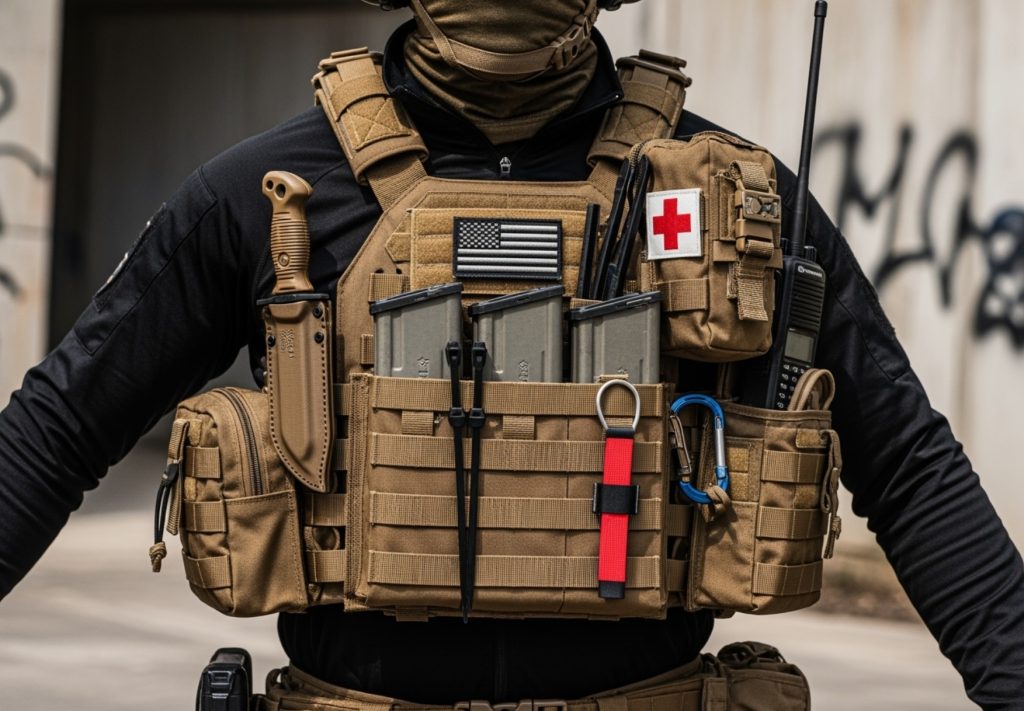
Plate carrier: This is a vest designed to hold a sturdy ballistic plate. Available in a variety of designs, from minimalist plate carriers to more sophisticated tactical models featuring a wide range of MOLLE webbing. The carrier’s price ranges are as follows: $150 to $1,000It depends on the brand, material, features (e.g. quick release system, padded shoulders), and overall quality. High-quality carriers offer comfort, durability, and the ability to integrate additional pouches and accessories. You can explore our custom bulletproof vests and carrier vests to see the variety available.
Ballistic plate: This is the actual protective insert that goes into the carrier. As discussed, prices vary greatly depending on the material (steel, ceramic, polyethylene) and level of NIJ protection (level III, III+, IV). The cost of a single rifle grade plate is $300 and $1,500 Or more. Most users will need two plates (front and back), so just add up the cost of the plates. $600 ~ $3,000+.
Maintenance, lifespan and replacement costs
The initial purchase price isn’t the only financial consideration. Like any other specialized equipment, ballistic vests have a lifespan and require proper care.
The life expectancy of most bulletproof vests is: 5 years For ballistic panels. However, some premium materials or hard plates may have longer warranties (up to 10 or even 20 years for certain products). After this period, the quality of the material may deteriorate, compromising its protection. The outer carrier may last longer, but the inner ballistic panel will need to be replaced.
Additional costs may include:
- Proper storage: To maintain the integrity of your vest and extend its life, it is important to store your vest properly, away from extreme temperatures, moisture, and direct sunlight.
- cleaning: The outer carrier should be cleaned regularly, but care must be taken to avoid damaging the ballistic panels. See Maintaining your bulletproof vest for essential tips.
- accessories: Over time, pouches, straps, or other accessories may require replacement due to wear.
- Warranty considerations: A good warranty may cover defects or premature degradation, but it is important to understand its terms (duration, coverage, exclusions).
These factors highlight that bulletproof vests are a long-term investment in personal safety and require ongoing consideration even after the initial purchase.
Assemble a full body armor suit
For those looking for comprehensive protection, the concept of a full body armor suit extends beyond just a vest. This involves incorporating various ballistic components to protect critical areas of the body.
Full body armor may include:
- Ballistic Helmet: Protects the head from ballistic threats and blunt force trauma. The prices are as follows: $300 to $2,000+, It depends on the level of protection and features.
- Groin protector, shoulder protector, neck protector: These modular ballistic panels can be attached to tactical vests to extend coverage to vulnerable areas. Each of these components can be added. $100 ~ $500+ at full cost.
- Ballistic Clothing: In addition to vests, some individuals choose bulletproof clothing that integrates bulletproof panels directly into clothing such as jackets or shirts.
The cumulative cost of assembling the entire system can be significant, often reaching thousands of dollars. However, modular systems allow individuals to build protection incrementally to fit their specific threat profile and budget constraints. If you are looking for the ultimate level of security, exploring full body armor can provide you with comprehensive protection coverage.
Frequently Asked Questions About Ballistic Vest Cost
We often face general questions regarding the affordability and specific price differences of bulletproof vests. Here we address some of the most frequently asked questions.
Are there still safe, budget-friendly options?
entirely. It’s entirely possible to find an affordable bulletproof vest that meets strict safety standards. The key is to prioritize NIJ Certification. Certified by the National Institute of Justice, the vest has been rigorously tested and proven to block the threats assessed. We always emphasize that you should never compromise safety for price.
For those on a tight budget, NIJ Level IIIA soft armor vests often represent the best value, providing protection against the most common handgun threats at a reasonable price. $300-$500). For rifle protection, sheet steel can be a more budget-friendly option compared to ceramic or polyethylene, which are heavier but typically costlier. $300-$500 per plate.
It is important to purchase products from reputable suppliers who can provide NIJ certification documentation and transparent product information. It is not recommended to purchase used body armor as its storage, maintenance and potential damage history may be unknown, which may reduce its effectiveness. Check out our FAQs on bulletproof vests for more insight.
How much do common ballistic vests for law enforcement and civilian use cost?
The price differences between vests designed for specific occupations, such as law enforcement or military versus civilian use, are not always about fundamental changes in ballistic protection, but rather about functionality, procurement, and sometimes perceived value.
- Law enforcement and military: These organizations often purchase vests in bulk, which allows them to lower per-unit costs through government contracts. Vests may also include special tactical features such as integrated communication channels, specific equipment pouches, or high-strength materials for extreme environments. Although equipment is often issued by departments, individual officers or soldiers may purchase upgraded or specialized vests, such as: $500~$1,500 or more For advanced tactical or level IV systems.
- Civilian use: Civilians typically purchase vests individually without bulk discounts. Their needs may lean more toward concealable options for personal protection or general purpose vests for activities such as hunting or shooting sports. Vests purchased by civilians include: $200 to $1,000It depends on your NIJ level and whether you have soft or hard armor.
Because there are many high-quality civilian vests that provide the same ballistic protection used by professionals without the need for specialized tactical integration, there is often significant overlap in price.
How do international shipping and import duties affect the final cost of a bulletproof vest?
Consider additional costs beyond the listed price, especially when purchasing a bulletproof vest from an international seller.
- delivery fee: This varies greatly depending on your origin and destination, the weight and size of your package, and the shipping speed you choose. International shipping can be added $50~$300+ on cost.
- Import duties and taxes: Many countries impose import duties, customs duties, and value-added tax (VAT) on imported goods. These costs can significantly increase the final cost and sometimes result in additional costs. 10% to 25% Or more than the value of the product. Buyers should research their country’s specific import regulations and potential fees before purchasing from abroad.
- Customs clearance: Customs delays can also occur, which, while not a direct cost, can add to the overall inconvenience and waiting time.
This “total cost of landing” can make an apparently inexpensive international vest more expensive than a domestically sourced vest once all fees are taken into account.
Conclusion: Balancing Cost and Capability
Investing in a bulletproof vest is an important personal safety decision, and understanding pricing is a key part of the process. As we have seen, the price of a bulletproof vest is influenced by a complex interplay of factors, including:
- NIJ Protection Levels: A higher level of protection against more powerful threats (especially rifle bullets) is directly related to a higher price.
- Materials used: Advanced lightweight materials such as UHMWPE and ceramics are more expensive than traditional Kevlar or steel.
- Armor Type: Hard armor systems (plate + carrier) generally cost more than soft armor vests.
- Design and Features: Stealthiness, tactical integration and special designs may add to the price.
- Additional costs: Don’t forget to consider the cost of plate carriers, other ballistic accessories, and potential shipping or import duties.
We always emphasize value over lowest price. There are budget-friendly options that meet safety standards, but compromising quality for a slightly lower price can be a risky gamble when lives are at stake. We recommend that you evaluate your specific threat environment, consider comfort and mobility requirements, and then make an informed purchase that balances budget and features. Your safety is paramount, and choosing the right ballistic protection is an investment in your peace of mind.