USB Type-C has become the de facto primary wired connection for most electronic devices. It forms the basis for the latest generation of USB standards, USB 4, and has been used in devices ranging from cell phones and tablets to portable game consoles, digital cameras, power banks, rechargeable lights, massage guns, and more. The list is virtually endless. Android phones have arguably been the biggest driver of USB-C and have been featuring it for nearly a decade. However, Apple has recently adopted USB-C for other devices, including the iPhone 15, the new iPhone 16 series, and the AirPods lineup.
A single port spanning multiple devices is the foundation for ultimate convenience, but it also introduces one important problem. Most legacy (and some newer) USB peripherals use the larger USB Type-A connector, and there may be more of them than have already made the switch to USB-C. Thankfully, there is a fairly easy solution to the problem. This means using a dongle or connector where the connection is facilitated through a very simple technology commonly known as USB OTG.
You’ve probably heard this term several times, and you’ve probably come across a lot of accessories on Amazon or similar online sellers. But what exactly is this OTG and how does it work? Let’s take a closer look at all aspects.
What is USB OTG and does it work on my phone?
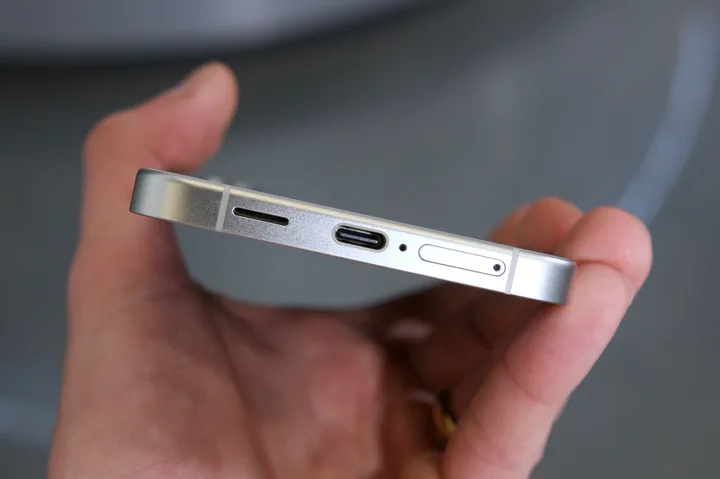
USB OTG (USB on-the-go) is a feature that allows a device to read data from a USB device, essentially becoming a “USB host.” Most phones these days, especially Android devices, come with the option to act as a host, and most devices are likely to support this. USB OTG works with USB-C and should now also support the older, less popular micro USB connection.
Think of USB OTG as a way to use your smartphone or tablet as an accessory for larger devices like laptops, PCs, gaming consoles, TVs, etc. In addition to legacy devices, OTG allows you to use a variety of other devices that were not originally intended to work with your phone.
Whether for USB-C or micro USB, you can find tons of OTG connectors for purchase on Amazon. So if you switch to a new device that doesn’t have USB Type-A, you don’t have to throw away your old one. Whether you want to diversify your phone’s connectivity options or simply increase the number of ports, your options for devices like USB-C hubs or docking stations are virtually endless.
The applications of OTG can be endless, but here are some fun ways it can be useful:
lie down abalone In games using a wired controller
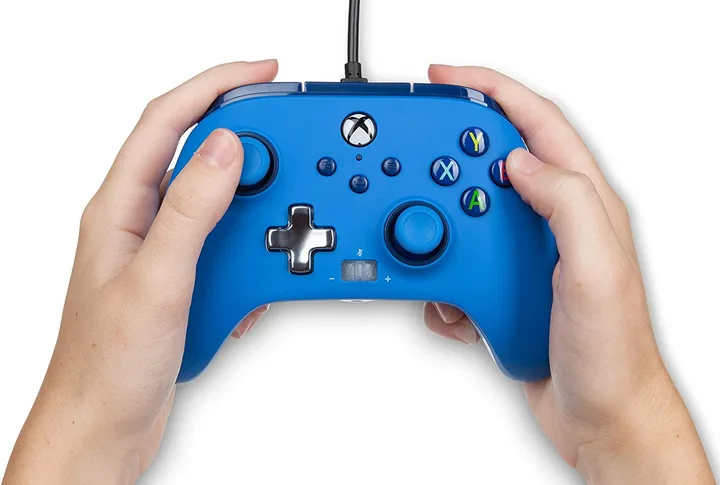
Smartphone gaming has come a long way, especially with mobile phone adoption of PC games such as: fortnite, PUBG, call of dutyand GTA. Despite often having the same gameplay, the cramped space on your phone’s screen and limited on-screen touch controls make the experience less enjoyable than you might expect. A way to overcome this is to use a controller on your PC or a gaming console on your phone. If it’s wired, don’t worry. USB OTG comes to the rescue.
Just connect the corresponding controller to the OTG adapter and your phone and you can use the controller to play the best mobile games. Even older controllers like the wired Xbox 360 controller will give you an absolute edge while gaming on your phone. Not only that, but wired PC controllers can be found on Amazon for less than $20, and you can buy one of these to improve your skills and impress your friends.
Likewise, if you use a cloud gaming service like Nvidia GeForce or Xbox Cloud Gaming, you can utilize OTG on your phone or tablet to use a wired controller.
If you’re lucky enough to own VR or extended reality glasses that also work on your PC, you can connect your phone’s screen using USB to transfer it.
The OTG connector connects with a USB-C port, so you can use an adapter that splits it into two connections: USB-A and USB-C. USB-C can be used to charge devices while the primary port is connected. You can find many affordable options for 2-in-1 USB OTG connectors.
Aside from gaming, there are more useful ways to utilize OTG.
Transfer files to increase phone storage space
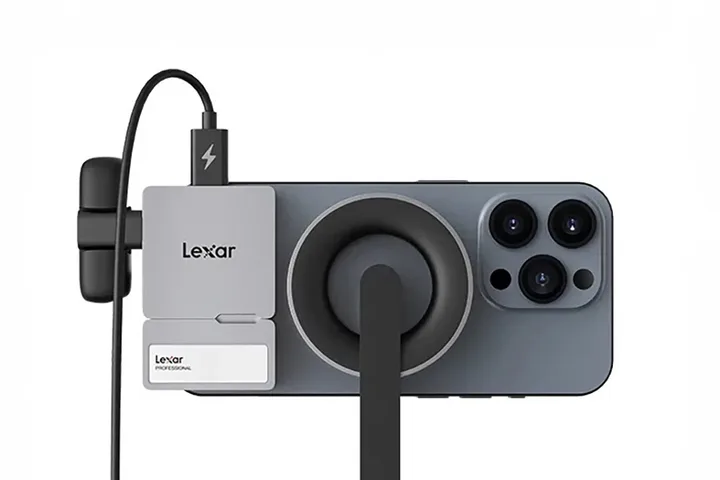
Although your phone’s storage options are growing, so are the apps and files you store on your phone, especially media. External storage can be a great way to get around these limitations, and this is another way USB OTG can be useful. In addition to modern storage devices such as portable SSDs, OTG can also help you extract data from older devices such as hard disks, SD card readers, thumb drives, or external optical media readers for old CDs and DVDs. Especially on iPhone, you can use external drives to record 4K HDR videos with Dolby Vision or Log without interruption and bypass storage limitations without lag.
If you want to utilize your phone’s USB to access external storage drives, you need to make sure you are using the correct storage format. Android supports most all file storage formats, but iPhone and iPad may have restrictions on certain storage formats.
Transfer files to another device or increase battery life.
In addition to dedicated storage, USB OTG can also facilitate direct wired data transfer between two phones. This can be useful if you want to transfer a large number of files from one device to another, but don’t have a USB Type-C-to-Type-C cable. By connecting two devices directly via USB, you can assign them the roles of host and slave in persistent notifications that appear on both phones simultaneously. This means that one phone can control which devices are copied where and the other phone acts as the basic storage device. You can also change roles to control file transfers from other devices using persistent notifications on your phone.
In addition to transferring files between two devices via USB, you can also use OTG to replenish your device using power from another device. If you choose another option, simply connect the two devices and set the USB mode to Charging.
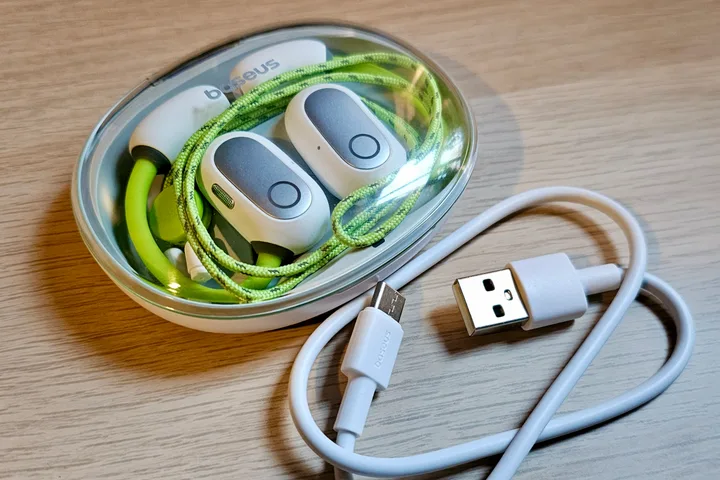
To put it more simply, you can use USB OTG with your phone to supply charging to accessories such as earphones.
Attaching accessories such as desktops
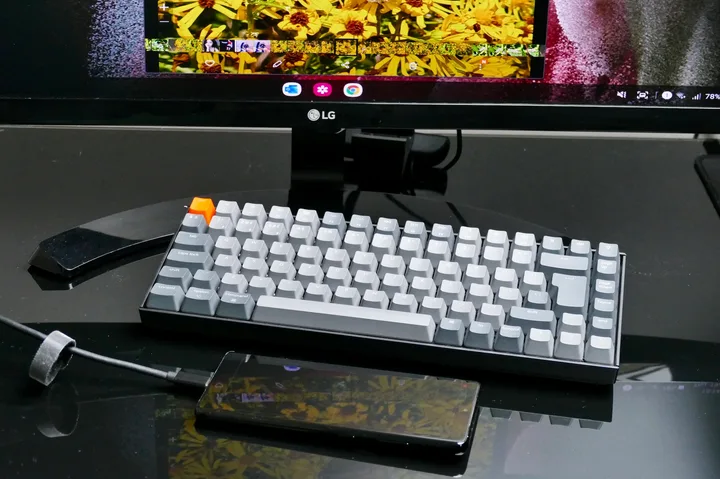
Despite their small size, our cell phones pack a huge amount of power and perform as well as laptops. This means that your phone can derive utilities similar to those of a laptop or PC, even for running long and extensive documents or emulating old console and PC games. USB OTG makes it easy to implement big screen functionality on small screens.
Using a dongle that splits a single USB port into multiple ports on your phone, you can connect multiple peripherals, including a wired keyboard or your trusty gaming mouse, and even power it via a charger. If you own a Samsung flagship phone or tablet or iPad Pro, you can also run a desktop-like interface by connecting an HDMI cable via a USB dongle. So, thanks to USB OTG, you can run a desktop-like setup right on your phone.
Professional-quality audio recording
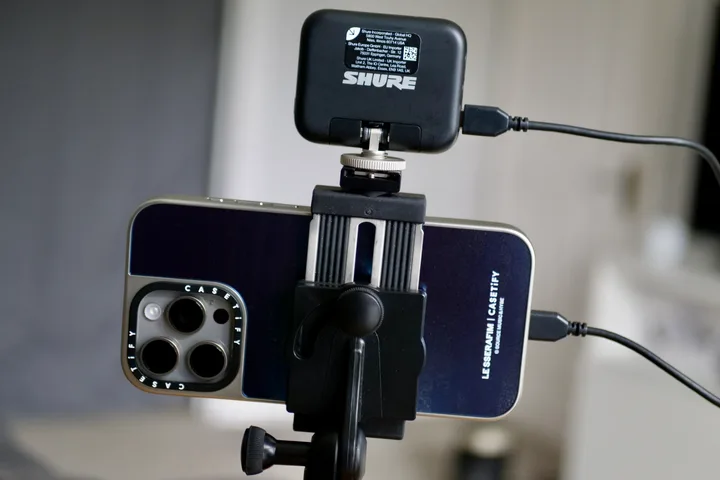
As Apple demonstrated when announcing the iPhone 16 Pro, the audio recording capabilities of smartphones are getting better and better. However, they are still no contender for real pro-grade equipment such as condenser microphones, which offer much better sensitivity and nuanced audio along with omni- or cardioid capabilities. If your primary need is audio recording, whether for podcasts or video voice-overs, you can use the OTG connector to connect to your phone and get the job done. This should be easy plug and play.
If you need to do more than record using a microphone, both Android and iOS devices support MIDI controllers. iOS easily supports MIDI keyboard input, which can be used in apps like Garage Band, but Android requires a few changes.
Setting up Android is hassle-free. After connecting the MIDI keyboard, pull down the notification shade and android system announcement. under Please use USB menu, selection midi. Now you can download Perfect Piano or any other app of your choice and do everything from layering instruments to composing entire tracks right on your phone.
Control your DSLR or mirrorless camera
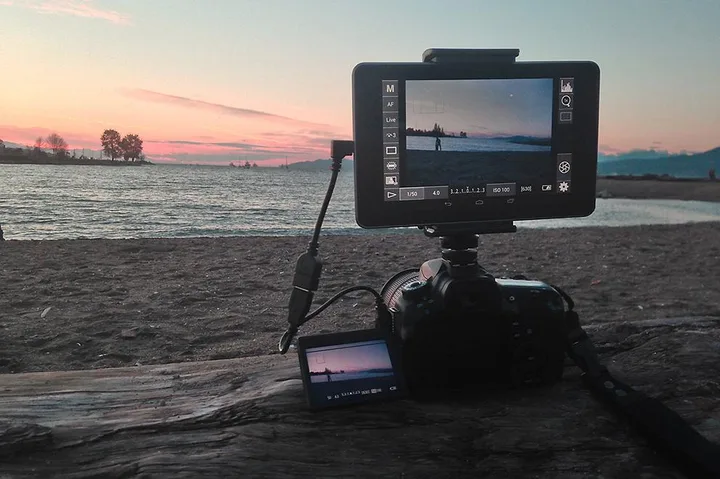
This is definitely one of the coolest uses for the OTG connector and something photographers will love. By connecting your phone to a DSLR or mirrorless camera using an OTG connector, you can use your phone as an extension of the DSLR’s own screen, taking advantage of a much larger screen and higher resolution to take better photos.
One of the best apps you can get is a DSLR controller. It’s expensive at $8 for the Android app, but it comes with a variety of features that make the high cost of entry worth it for all but the most occasional photographers. You can check your subject in real time, adjust the focus of your photos, check and change settings such as ISO and white balance, and even view a gallery of photos you’ve taken. If you wish your camera had a bigger screen or have trouble seeing the camera display while shooting at odd angles, this is the app for you.
There is a free version of the app that only acts as a remote release so you can test compatibility with your camera. This app works best with Canon cameras and has limited functionality on Nikon and Sony cameras, so test your camera before purchasing. DSLR Controller’s website has a lot of useful information on using the app, so be sure to read it to get the most out of your photos.
You can also attach your phone to the camera and use it as a field monitor, giving you a much clearer view than a small viewfinder screen. You will need a video capture card to connect to your phone via USB OTG as output and an HDMI cable from the camera as input. You can use an app called Monitor Plus, which provides a professional metering interface similar to high-end field monitors. Apart from Android, the app is also available on iOS.
Now that we know the different ways USB OTG can be useful, here are a few things to remember when using USB OTG on your Android device or iPhone.
How to Enable USB OTG on Android or iPhone
To ensure a smooth connection, you need to make sure the USB port on your Android device, iPhone, or iPad supports OTG well. There are some basics to keep in mind and steps to follow for each. We analyze them below.
USB OTG connection on Android
It is very easy to connect your Android device via OTG using a dongle or connector. Simply connect your external device through your phone’s USB port and it will be detected.
However, if the connected device is not detected immediately, follow these steps:
- movement setting On your Android device.
- category “OTG” The exact location of the search bar in Settings may vary depending on your Android skin or version, so this will take you to a menu with OTG options.
- If you see a toggle next to “OTG Connect”, activate the toggle switch.
- Now connect your USB device using a dongle or connector.
You may see a warning that your connection will automatically be disabled after 10 minutes. This is to prevent anyone from connecting external devices to your Android phone or tablet without your consent or information.
After you connect your storage device, you will now see it in your Android device’s file manager.
If you use high-power devices such as hard drives or condenser microphones, you may need a USB dongle that also supports charging input. This is because, especially if you use a budget or mid-range Android phone with a USB port, it may not be able to provide enough power to your device. If you connect the charger to the dongle while connecting your device, the connection will work.
USB OTG connection to iPhone
The iPhone’s support for OTG devices is somewhat limited, but you can use it to connect external storage devices or digital cameras. If you have an older iPhone with a Lightning connector, you can purchase a Lightning to USB-A or Lighting to USB-C converter.
Connectivity on the iPhone is usually plug and play, so unlike Android there is no need to enable any settings. However, if you connect a storage device, you need to make sure that it is formatted properly.
For your external storage device or SD card reader to work with your iPhone or iPad, it must be formatted in one of the following file storage formats:
- APFS or APFS (encrypted)
- macOS Extensions (HFS+)
- exFAT(FAT64)
- FAT32 or FAT
iPhone can read NTFS devices via OTG, but cannot write to the drive. Therefore, you will need to format your external drive and SD card in one of the formats listed above.
Once you connect your storage device, you can view its contents in the Files app on your iPhone or iPad.
Certain iPad models, especially Pros with M-series chips, support a wider range of connections, including external monitors via HDMI or DisplayPort using a USB-C dongle. While using these accessories, they may cause excessive battery drain on your iPad, so be sure to provide enough power to keep your iPad powered.