The Android operating system has always distinguished itself by its willingness to allow people to color outside the lines. Android smartphones typically have a highly customizable user interface, a variety of unique models and Android versions to choose from, and perhaps most importantly, the ability to install apps from anywhere you like, not just Google’s official Play Store.
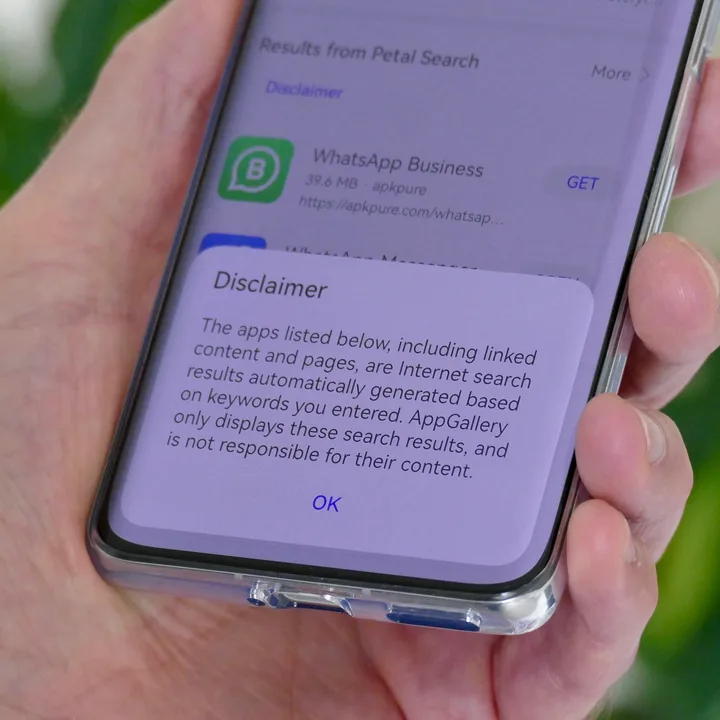
This practice is colloquially known as “sideloading” to distinguish it from downloading apps from official app marketplaces or other cloud-based sources. In the early days of sideloading, you had to download Android apps in APK file format to your PC and install them on your phone via USB connection. Fortunately, things have changed in recent years. Now, almost all modern Android devices can use your phone’s browser to install any APK file you download to your local file system. However, you will need to know the location of the file and adjust the necessary settings.
Andy Boxall / Digital Trends
What you need to know before installing an APK
The most important thing to remember when installing APKs yourself is that no one has necessarily scanned these apps to make sure they are free of viruses, malware, or other nasty stuff.
In contrast, Google works hard to keep its Play Store free of malware. The Play Store isn’t completely immune from malware, as some items still sneak by, but your chances of getting infected with malware are significantly lower than downloading an APK from any other source.
That said, it’s important to only install APKs from reasonably trustworthy sources. Established alternative markets are generally safe bets. APKs are sometimes distributed directly by reputable developers on their own websites, such as Epic Games. fortnite Or a companion app for hardware accessories, such as an Android Auto adapter.
However, there are many sketchy APK repositories as well, so don’t just do a Google search and grab the first APK you find. Also, avoid cracked or pirated versions of APKs of Play Store apps. Legal and ethical issues aside, it is much more likely to be dangerous and invasive.
The same goes for any APK that has access to sensitive personal or financial information. No legitimate government agency, financial institution, or e-tailer distributes mobile apps as APKs for sideloading, so apps like this found outside of the Play Store are almost guaranteed to be malware, even if they appear legitimate. Cybercriminals try all kinds of tricks, including creating similar Android apps that are more sophisticated versions of deceptively convincing phishing websites to steal your identity and separate you from your hard-earned money.
To be clear, none of this means you should be afraid of installing apps from other sources. As with downloading software to your PC, you’ll be fine as long as you exercise reasonable caution and stick to established, reputable APK repositories.
Simon Hill / Digital Trends
How to Prepare Your Android Phone for APK Download
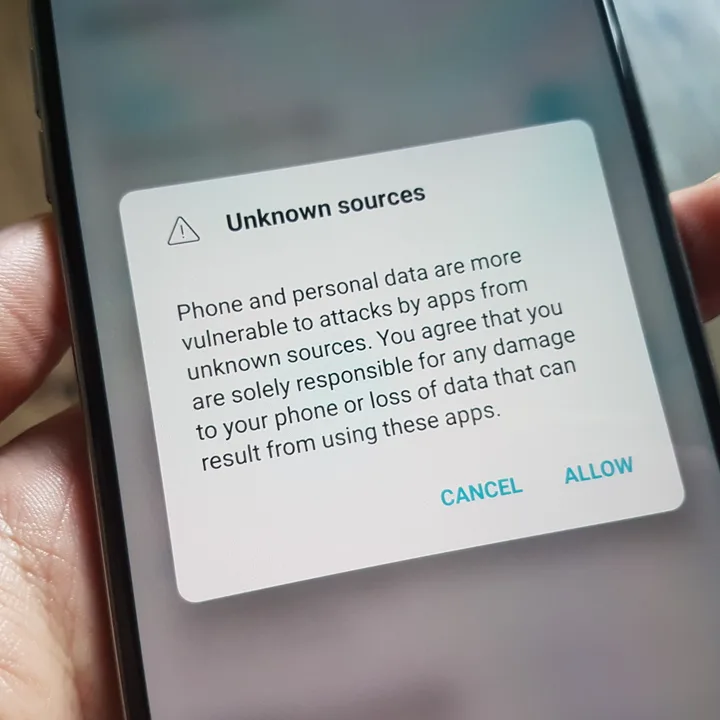
Because installing APKs from unknown sources comes with risks, Google and other Android device manufacturers want to see what problems users might encounter before sideloading apps. As a result, the ability to install apps from unknown sources is blocked by default. This also helps prevent malicious actors from finding loopholes that can sneak illegal apps onto your phone without your knowledge.
The good news is that activating this feature is very easy. The first time you open a downloaded APK, you may be prompted to grant the necessary permissions, but here’s how to do that in advance: The steps below are for the stock version of Android 14 and may be slightly different if you’re using a vendor-specific skin like Samsung’s One UI or OnePlus’ OxygenOS. If you’re not sure where to look, you can use the search field in the Settings app to search for “unknown apps.”
Step 1: Open the Settings app on your Android phone.
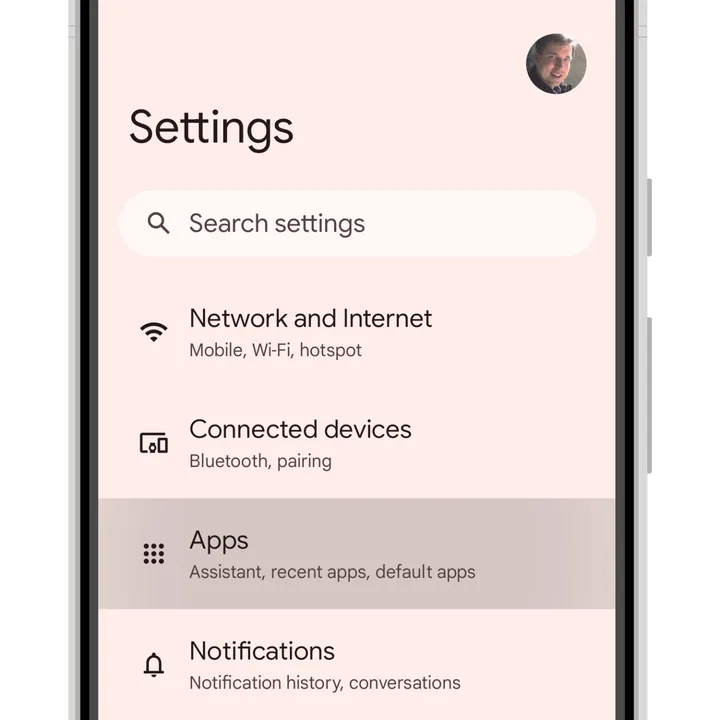
Step 2: choose app.
Jesse Hollington / Digital Trends
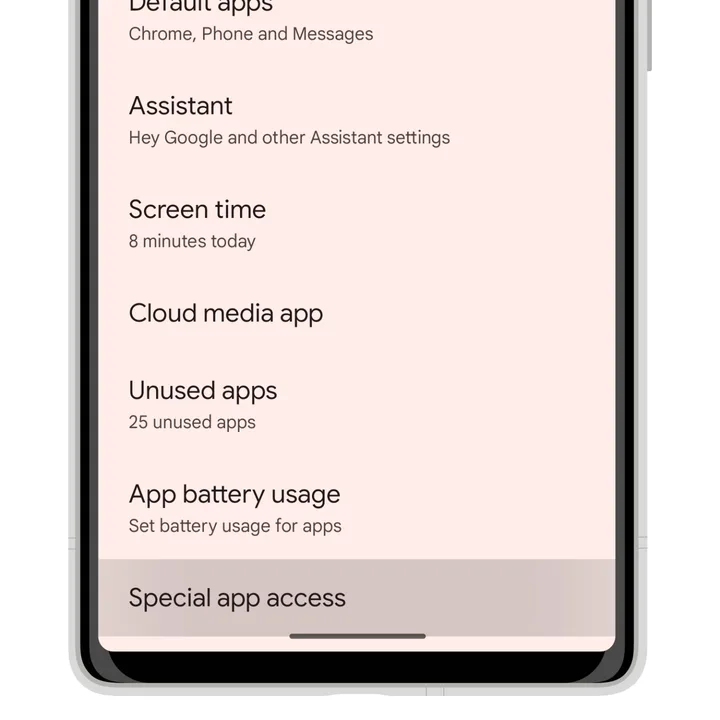
Step 3: Scroll down and make your selection. Special app access.
Jesse Hollington / Digital Trends
Step 4: choose Install unknown apps Starting about halfway down the list.
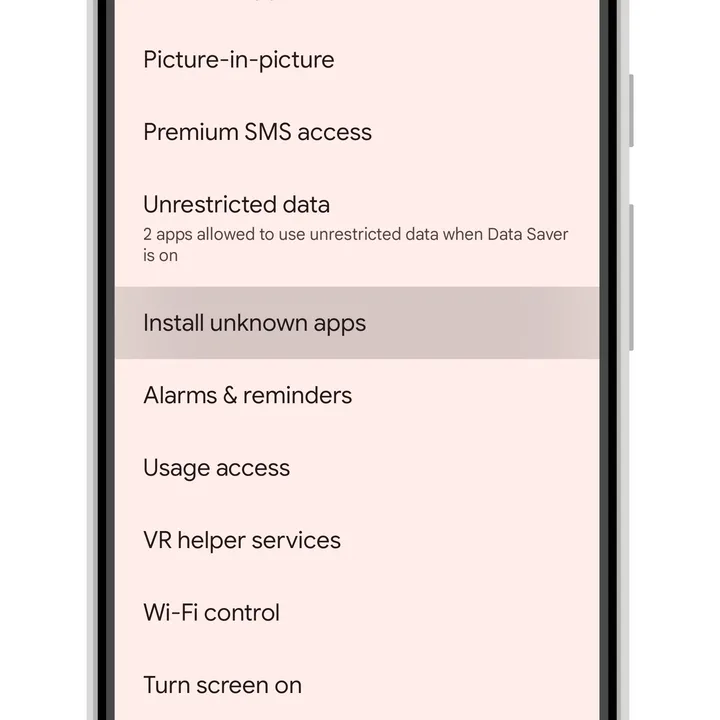
Jesse Hollington / Digital Trends
Step 5: You will then see a list of apps on your Android phone that can install the APK file.
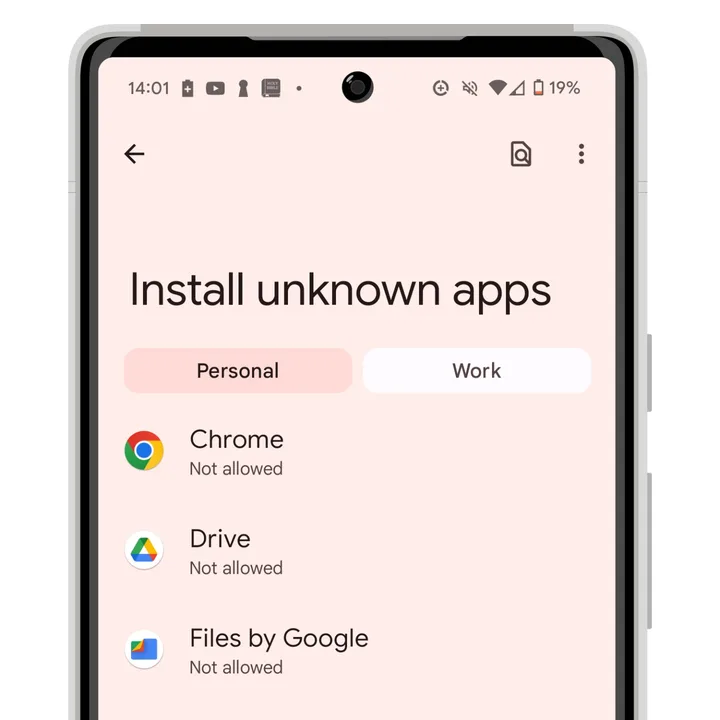
Jesse Hollington / Digital Trends
Step 6: Select the one you want to install the APK for (usually Chrome and Files by Google are selected) and turn on the switch next to it. Accept from this source About each.
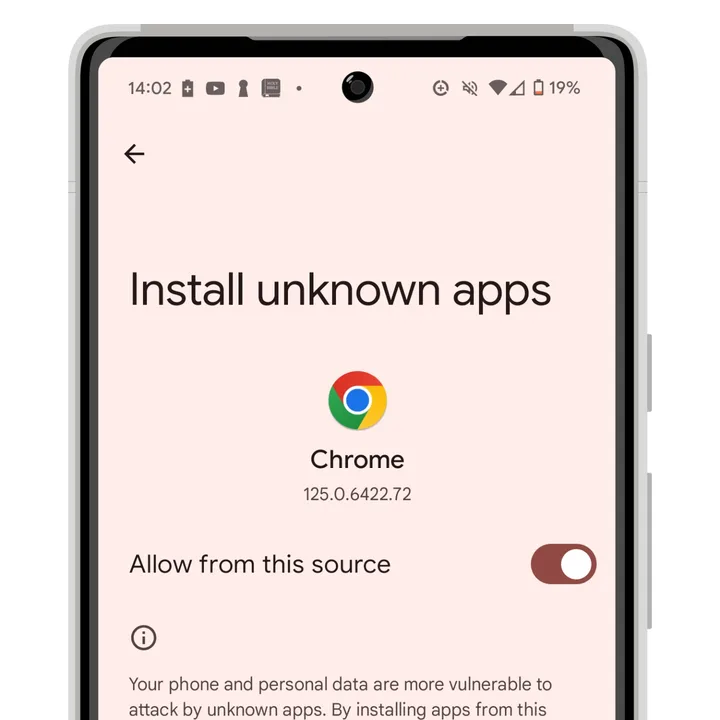
Jesse Hollington / Digital Trends
Step 7: For added security, we recommend leaving this setting off in Chrome and only turning it on in file management apps like Files by Google. To do this, you need to open the APK in the Files app before installing it. It’s a little less convenient, but it’s safer as it prevents potentially harmful APK files from being installed directly through your browser.
Jesse Hollington / Digital Trends
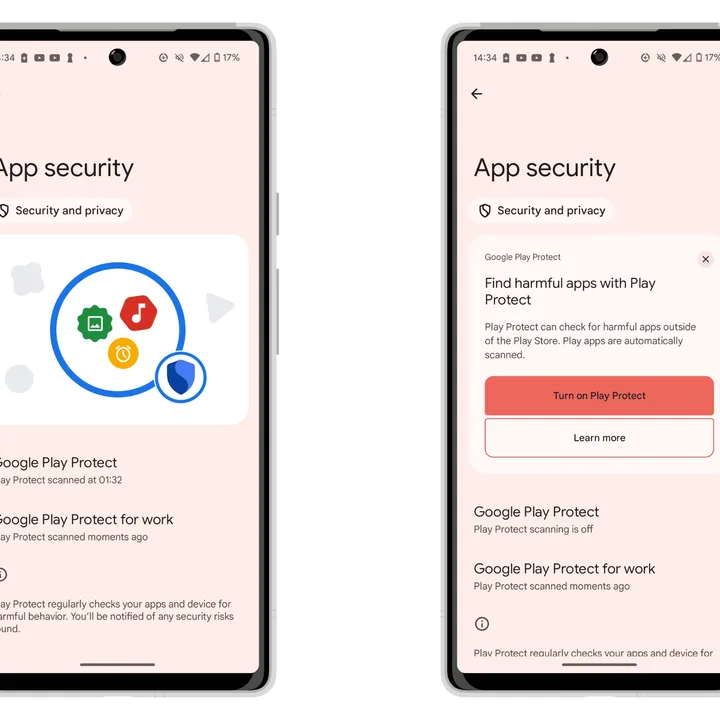
Step 8: Lastly, it’s a good idea to check if Google’s Play Protect is working properly. Unless you intentionally turn it off, this feature is almost always on by default, but you can double-check it by opening the Settings app and selecting: Security and Privacy > app security. If it’s not enabled, you’ll see a warning with a big red button that you can choose to enable.
Jesse Hollington / Digital Trends
How to find APK files
Once you’ve given one or more built-in apps permission to install unknown apps on your phone, you’re ready to find them. This is easiest to do by visiting the appropriate website in your phone’s web browser.
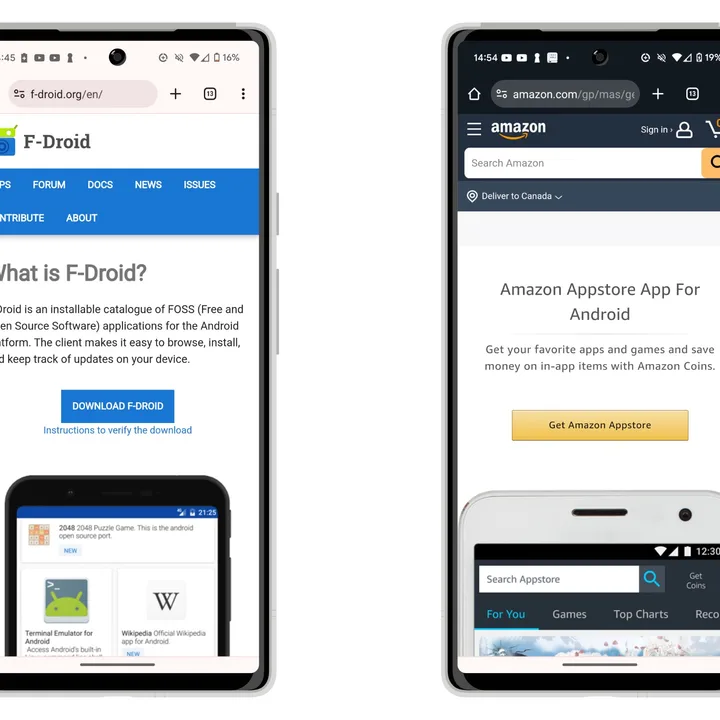
Unless you already have a specific APK file in mind, the best place to start is an APK repository like F-Droid, APKMirror, or TapTap. Many of them also offer catalog apps that you can download to make it easier to browse and install APK files from their site.
If you plan to use the repository regularly, this is a nice bonus because it saves you the trouble of manually tracking and installing each new APK in your browser. Basically, they act like their own version of the Google Play Store, but usually without much polish.
Nonetheless, if you want to use alternative marketplaces to get other apps from their repositories, you’ll have to download them as APKs and install them manually first. Typically, as soon as you visit one of these sites, you will find a prominent link that you can use to download the catalog APK just like any other file.
How to install APK
Installing an APK on your Android phone or tablet is simple and similar to installing an app on your PC. APKs are downloaded like any other file. This means it will be saved to your device’s ‘Downloads’ folder. To install an APK, open it and answer a few quick prompts.
Step 1: Using Chrome, visit the website that has the APK file you want to install on your phone and tap the button to download it.
Jesse Hollington / Digital Trends
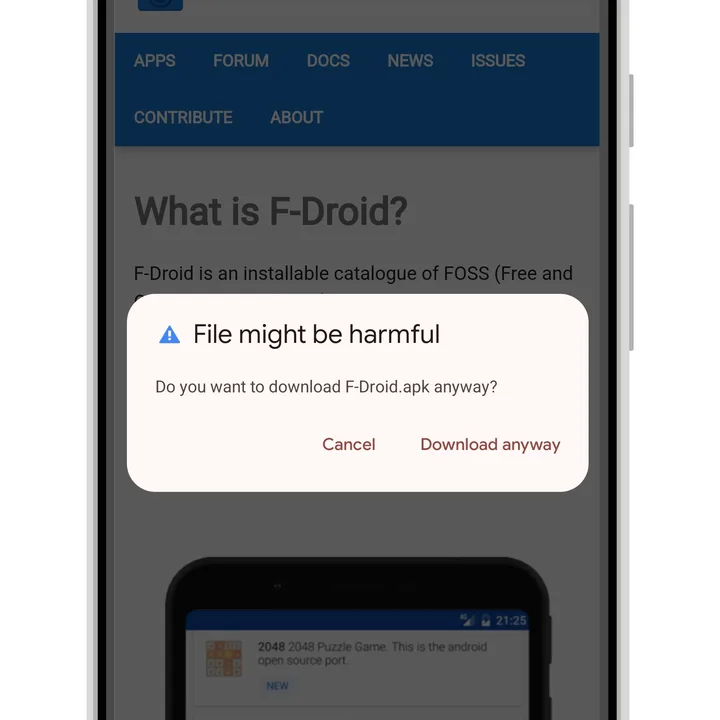
Step 2: You may see a warning message warning you that the file you are trying to download may be harmful. This is a standard warning that you see when downloading an APK file, so you don’t need to worry. choose download anyway.
Jesse Hollington / Digital Trends
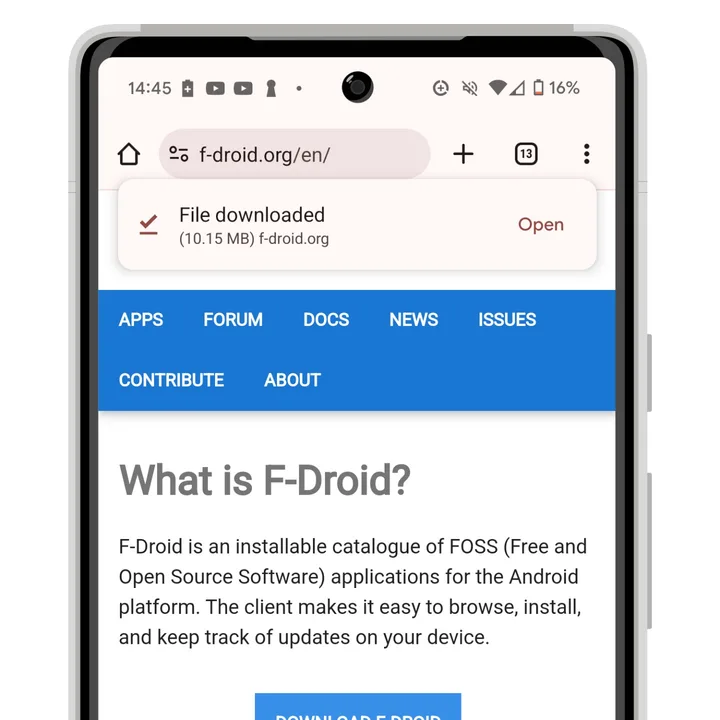
Step 3: When the download is complete, a “File Download” confirmation pop-up box will appear at the top of the screen. choose open To install the APK file immediately
Jesse Hollington / Digital Trends
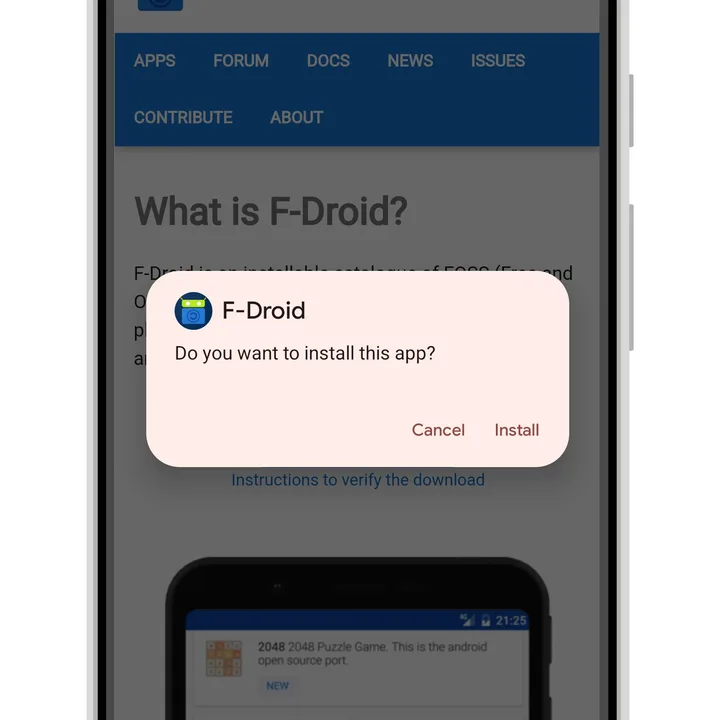
Step 4: If you give Chrome permission to install unknown apps, a pop-up will appear inside the APK package showing the name of the app and asking you to confirm whether you want to install it. choose install.
Jesse Hollington / Digital Trends
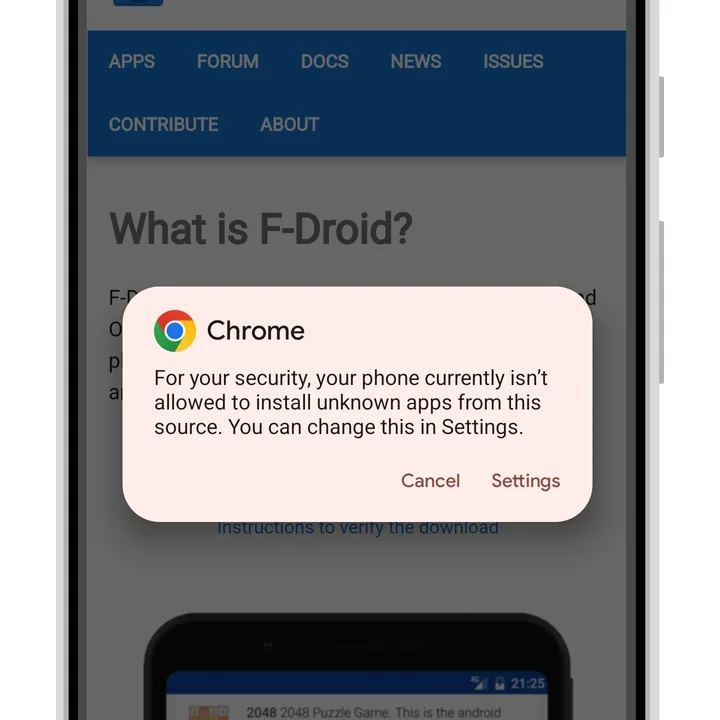
Step 5: If you haven’t given Chrome permission to install unknown apps, you’ll see a security warning with a button that takes you straight to the Settings app so you can enable this permission instead.
Jesse Hollington / Digital Trends
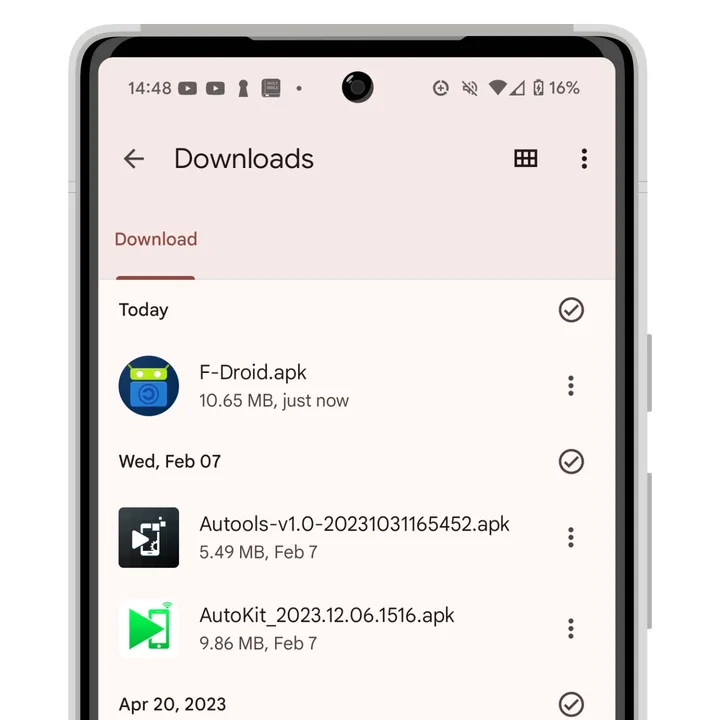
Step 6: If you don’t want to authorize Chrome to install unknown apps, you can instead open the Files app on your phone and find and open the APK file in your Downloads folder. This extra step increases security to prevent unwanted apps from being accidentally installed.
Jesse Hollington / Digital Trends
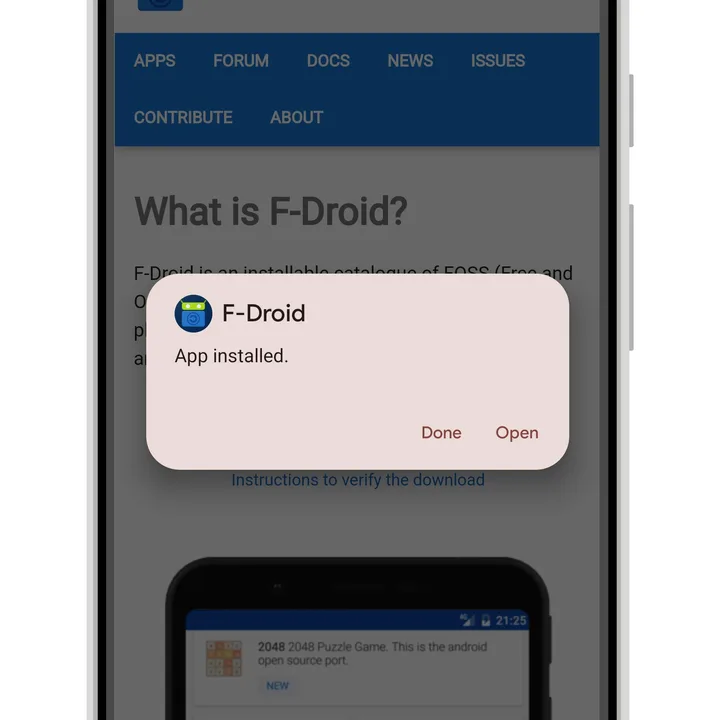
Step 7: In both cases, a confirmation pop-up will appear once the app installation is complete. you can choose open Run the newly installed app or complete To close a message, the app appears on your home screen and can be opened, relocated, or deleted like any other app.