The giraffe is an even-toed ungulate mammal from Africa, the tallest living land animal and the largest ruminant. The species name refers to its camel-like appearance and colored spots on its fur. Their long necks, imposing posture, and beautiful features make them seem almost otherworldly, despite the fact that they roam the African plains with very real dangers around them.
Their unique biology means they have to solve some problems that never affect other animals, and there are even some behaviors that seem downright bizarre at first.
1. Mating and Flemen:
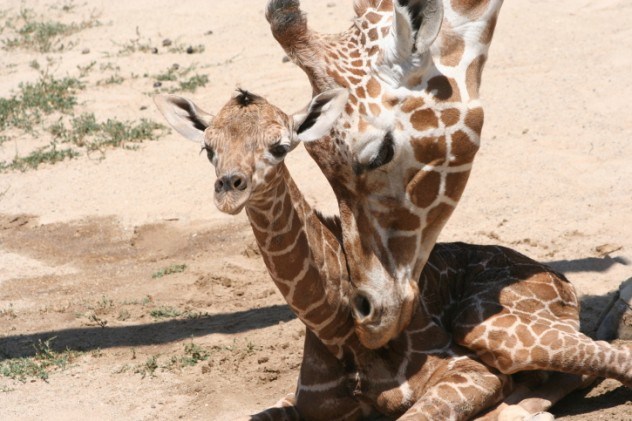
that mating ritual of Giraffes are somewhat complicated. This is because female giraffes refuse to mate during their 15-month gestation period. Between pregnancies, the female is ready to mate with a suitable male, but only for short periods every two weeks. Male giraffes have developed the following behaviors to help them keep track of when females are available for mating. called Flemen, A scene where a female giraffe urinates into the mouth of a male giraffe. This somewhat kinky-sounding procedure is actually perfectly practical. Female giraffes’ urine tastes different when they are ready to mate. So, without a particular taste, male giraffes know to leave females alone. When a female is ready to mate, the male will scuffle around her and the female will calmly wait for the strongest female to defeat her rival.
2. Giraffe and NASA:

Giraffes and space travel may not seem like an obvious mix, but they have actually contributed quite a bit to our space travel. Weightlessness has always caused a number of problems for the human body. One of the most important problems is weakening of the leg veins. Because blood flows differently in space, the circulatory system in the legs doesn’t have to do as much work to pump the blood back. Your veins can become lazy, thin, and weak, causing serious problems when you return to Earth. Giraffe has come up with a solution to this problem. Baby giraffes learn to stand as soon as they are born.This is thanks to the rapidly expanding leg veins. When NASA observed this, they were able to create a lower body negative pressure process. It is a device consisting of a sealed tube that seals the area below the astronaut’s waist and applies vacuum pressure to rapidly expand the leg veins, allowing blood to flow to the legs and pelvis area. When this pressure is applied at regular intervals, the astronaut’s leg veins maintain their shape.
3. Drinking problem:
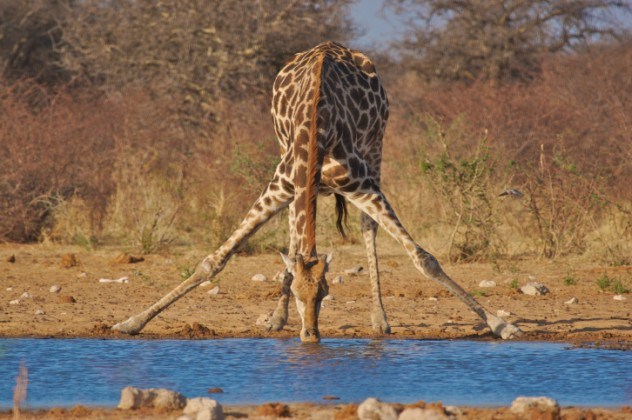
Because giraffes were created the way they were. Drinking alcohol can cause them serious problems. To access the water, they must spread their front legs and lower their necks at an awkward angle. This posture makes them clumsy and vulnerable to predators such as crocodiles. Giraffes deal with this very real drinking problem in a variety of ways. Their digestive system can get almost all the water it needs from the plants they eat, so adults only need water once a day. The most vulnerable, young giraffes, are the most efficient, to the point where they do not need to drink water at all. The reason they can do this is because giraffes are very economical creatures when it comes to liquids. They do not sweat or pant to cool themselves like most mammals. Instead, it allows your body temperature to fluctuate with the surrounding temperature, allowing you to conserve water and stay cool in any situation.
4. Speed:
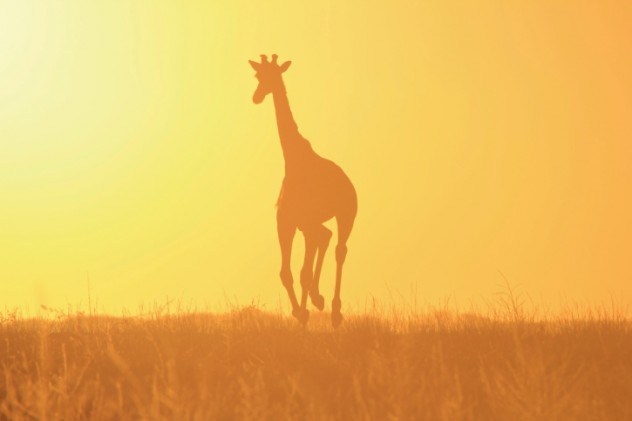
Giraffes are relatively clumsy creaturethanks to them Arms and legs that look cumbersome and top-heavy. Bobbing walk, where one leg is lifted at the same time, certainly looks relaxed. But looks can be deceiving. Giraffes have two modes of locomotion, fast and blisteringly fast, or, as biologists put it, walking and sprinting. A walking giraffe may seem slow until you realize that it can walk 4.5 meters (15 feet) with each step.. This means that even at a leisurely pace, you can reach speeds of 16 km (10 miles) per hour. This is your typical lazy cruise mode. If a giraffe decides to run, you better hope it’s not because it’s chasing you. Fast and incredibly graceful, the giraffe’s galloping speed can easily surpass that of many horses, as well as humans. The highest recorded speed is 56 km/h (35 miles per hour). But it’s unlikely that giraffes will replace horses any time soon. Thanks to their long trachea, they get out of breath pretty quickly when they run.
5. Combat skills:
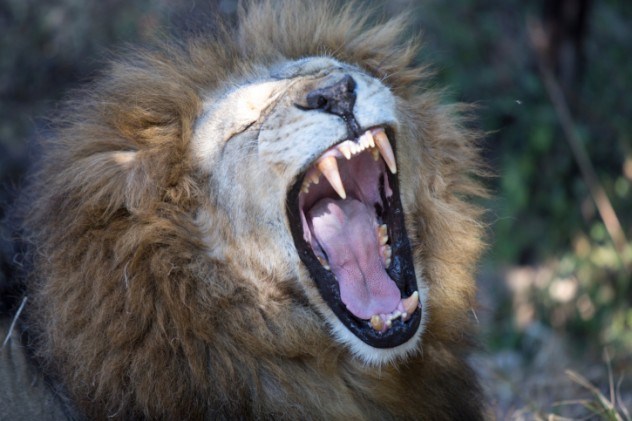
With their ridiculously disproportionate physiques and rapid sprints, it’s easy to assume that giraffes are ill-prepared to defend themselves and will simply run away if a predator is nearby. Nothing could be further from the truth. Giraffes are adept at self-defense techniques.Even lions only dare attack them in large groups (and only when they are desperate). The giraffe’s legs are strong and heavy, each leg ending in a hard, sharp 30 cm (12 in) hoof. A giraffe can kick in any direction and in any way, and not only can it kill a lion with its kick, it can actually decapitate it. Surprisingly, few predators harass adult giraffes.
6. Giraffe Dance:
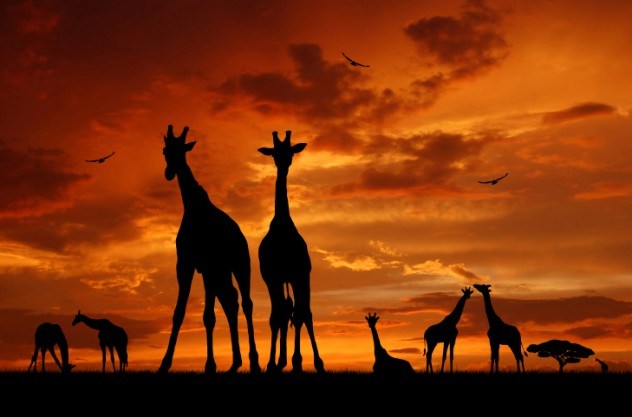
Thanks to his overwhelming appearance and hidden strength, Giraffes are greatly revered in many traditional African belief systems.. Even though the world’s major religions (especially Christianity) have taken a toll on traditional African religions, the giraffe remains a mystical symbol here and there. One of the strange ways this manifests itself is giraffe dance. It is a mysterious ‘healing’ dance that came to a woman’s dream in the 1950s. She had a vision of a herd of giraffes running in the rain, their hooves and the raindrops playing a unique melody. The vision became a giraffe song, which gave birth to a giraffe dance, which in turn began to spread like wildfire. For decades, the Bushmen of the Kalahari region have used this dance as their primary hunting dance. The actual dance consisted of the men performing the giraffe dance in a large circle, and the women sitting in groups singing and playing the giraffe song.
7. Necking:
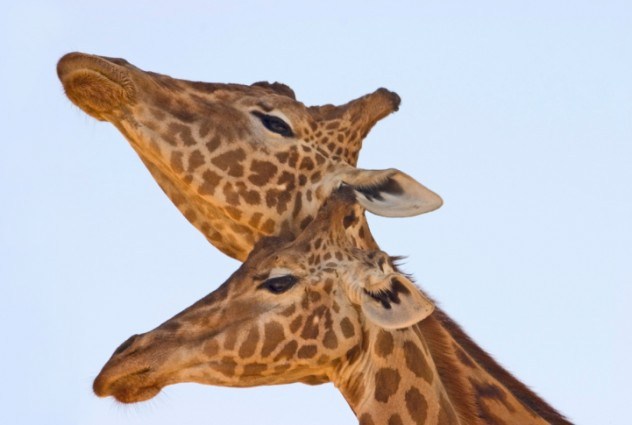
I’m sure many people have seen the photo of the two of them. Giraffes are gently rubbing their necks. This lovely image is used in many Valentine’s Day cards to create a feeling of intimacy and camaraderie. This practice is not really friendly and is closer to locker room wrestling or actual fighting. It’s called necking. This is usually done by male giraffes to test their strength.Giraffes slap, twist, and rub their necks to see which side is stronger. Although they look cute, these fights are quite taxing and can last up to 20 minutes. Still, Valentine’s cards are right in one respect. Even brutal hangings can sometimes turn erotic, but not involving female giraffes. Sometimes a male giraffe becomes so excited by a test of strength that he gives up the fight and moves on. . . Other things.
8. Magic Mouth:
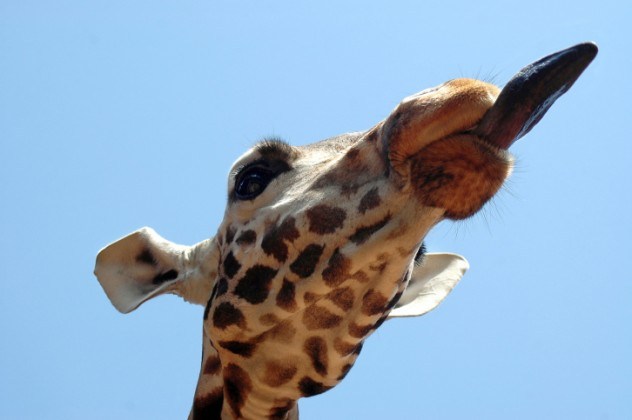
Giraffes have the ability to catch Tongue length: about 50 centimeters (20 inches). The tongue is bluish-black to protect it from sunlight, and giraffes use their tongues like elephants use their trunks. The tongue is used for personal grooming, such as holding objects and picking the nose or cleaning the ears. The snake-like tongue is particularly useful for obtaining food, and a giraffe can wrap it around a leaf and pull it into its mouth. The mouth itself isn’t that strange. giraffes are big upper lip They are also easy to grasp, so when combined with the tongue, the mouth has almost the same dexterity as a hand. The inside of the mouth, along with the lips and tongue, is completely covered with hard, finger-like papillae that protect it from thorns and severe injuries.
9. Giraffe of the Egyptians and Caesar:

With their powerful kicks and enormous stature, you might think giraffes would make poor pets. The ancient Egyptians thought differently. Already around 2,500 BC, Egyptian rulers captured giraffes and paraded them before their subjects.. Hunters found that giraffes were very easy to transport on rafts along the Nile, so they could have a steady supply of these exotic animals. Giraffes were so impressive and imposing that Egyptians began giving them as gifts to rulers of other countries, often as a passive-aggressive expression of their power. The most famous person to receive a giraffe gift was none other than Julius Caesar, who was most impressed by the present. He named the new prize animal “camel leopard“He thought it was akin to a crossbreeding between two species, so he took it home so all of Rome could admire it. He then locked the poor animal in a circus arena and fed it to the lions to demonstrate his power. The moral of the story is that being a particularly good person doesn’t make you emperor of the most powerful nation in the world.
10. Giraffe Jarapa:
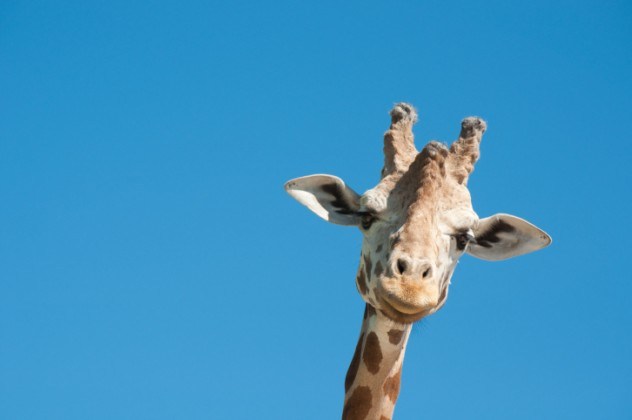
Perhaps the most well-known giraffe celebrity in history is Zarafa, France’s first giraffe and given as a royal gift to Charles X by the Ottoman governor of Egypt, Muhammad Ali. Zarafa—meaning “the lovely one” in Arabic and arrived in France in October 1826. She marched at a leisurely pace from Marseilles to Paris, and her dignified and friendly manner won the cheers of the townsfolk wherever she went. An eager public of 100,000 came out to follow her progress. Eventually, Zarafa set up shop in the Jardin des Plantes in Paris and became one of the biggest celebrities in the country. Famous authors wrote stories about her. Renowned artists drew inspiration from her. Women began wearing high “giraffe” hairstyles and clothes with giraffe prints. Giraffe-themed furniture and decorations became very popular, and eventually the entire European continent was captivated by ‘giraffe mania.’ Of course, like all crazes, it was bound to end. Zarafa went out of fashion and the masses stopped coming. Some say it’s sad that the giraffe had to spend its final years in relative seclusion, but it probably enjoyed some peace and quiet throughout its life when it was constantly followed by millions of people.
Isn’t it interesting and fun to know that these beautiful and tall creatures have a lot to do in their lives? Here is some interesting knowledge put together for you.
Other interesting facts about giraffes – general knowledge:
1. The tallest mammal: giraffe tallest mammal on earth. Their legs alone make them taller than many humans (about 6 feet).
2. Fast runner: they can run at a speed of 35 miles per hourFor short distances, it cruises long distances at speeds of 10 mph.
3. The neck is too short: A giraffe’s neck is too short to reach the ground. As a result, they have to awkwardly spread their front legs or kneel to reach the ground to drink water.
4. Drink less alcohol: That’s what giraffes have to do Drink it every few days. Most of their water comes from all the plants they eat.
5. If you sleep with your legs crossed: Giraffes spend most of their lives standing. They even sleep and give birth standing up.
6. Baby giraffes can stand after birth: After about a week, baby giraffes will be able to stand and walk, and they will begin to collect plants.
7. The calf dies: Despite the females’ attempts to fend off their calves during attacks by lions, spotted hyenas, leopards and African wild dogs, many calves are killed within the first few months of life.
8. Giraffe attractions: A giraffe’s spots are very similar to human fingerprints. No two giraffes have exactly the same pattern.
9. Covered Horns: Both male and female giraffes have two distinct, fur-covered horns called ossicones. Male giraffes sometimes use their horns when fighting other males.
10. Lack of sleep: Giraffes only need to sleep for 5 to 30 minutes out of 24 hours! They achieve this goal through short naps, which often last only a minute or two at a time.
11. There is no sound: It was thought that giraffes do not make any sounds, but this is not known to be true, as giraffes howl, snort, hiss, make flute-like sounds, and even make low-pitched noises beyond the range of human hearing.
H/T- listverse.com